Color of Night
1994
No user ratings available yet
Representation score: 3.5 out of 10
Representation Score
Limited
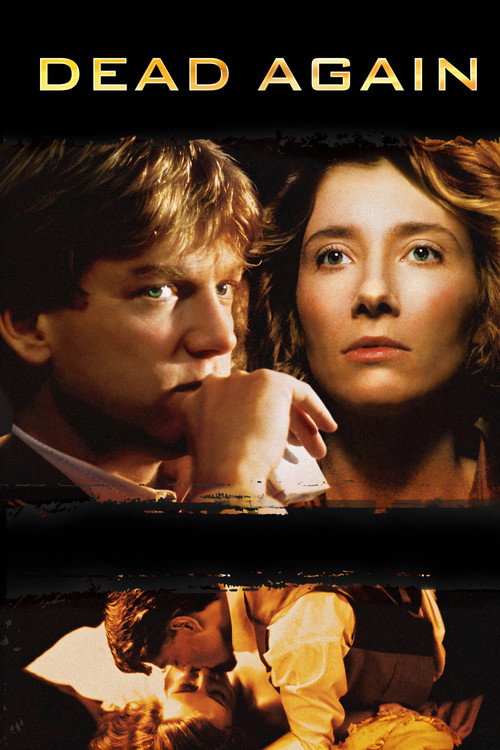
1991
RDirector
Kenneth Branagh
Runtime
107 minutes
Average Rating
No ratings yetNew Showbiz Analysis
Dead Again is a sophisticated postmodern mystery that emphasizes traditional narrative structures and period-specific aesthetics. While the film excels in its fragmented timeframes and psychological complexity, it remains rooted in conventional storytelling methods. The production maintains a demographic homogeneity typical of the neo-noir genre, focusing on individual identity and reincarnation without engaging with diverse social or cultural perspectives. Ultimately, the film's strength lies in its genre execution, but it falls short in addressing a wider range of social and cultural viewpoints.
Category Breakdown
The film focuses solely on heterosexual relationships, with romantic and dramatic tensions centered around these connections in both timelines.
In the 1990s timeline, the female lead actively drives the investigation and shows intellectual independence, avoiding the damsel-in-distress stereotype.
The cast is primarily white and upper-class, set in specific locations like 1940s London and 1990s Los Angeles. The story does not address racial diversity.
The story centers on psychological mystery and reincarnation within a traditional Western context. It does not critique Western institutions or explore broader political systems.
Amnesia and muteness are used as key plot devices to advance the mystery. These elements support the character’s journey but do not provide a nuanced look at disability.
Present on Screen
Limited or Absent
Official Synopsis
In 1949, composer Roman Strauss is executed for the murder of his wife. In 1990s Los Angeles, a detective comes across a mute amnesiac woman who is somehow linked to the Strauss murder.
1994
1947

1958

1955

1945

1944

1937

1947
No reviews yet. Be the first to share your thoughts on this movie!
Use the rating form above to leave a star rating and optional review.