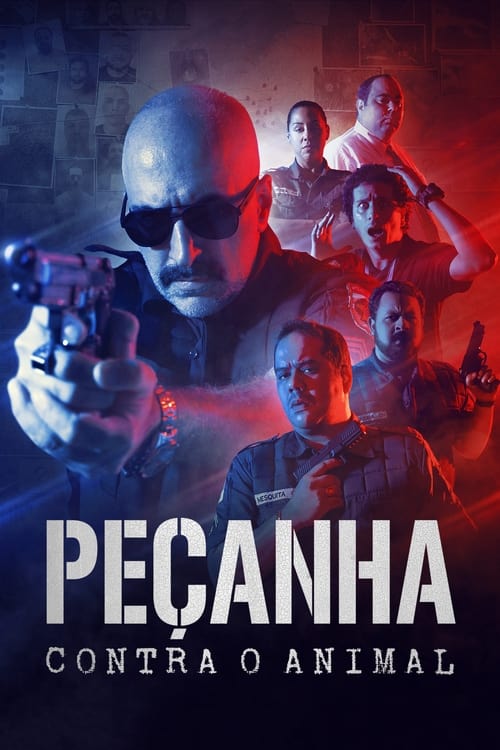
Peçanha Contra o Animal
2021
No user ratings available yet
Representation score: 3.0 out of 10
Representation Score
Fair
2012
Director
Rodrigo Bittencourt
Runtime
90 minutes
Average Rating
No ratings yetNew Showbiz Analysis
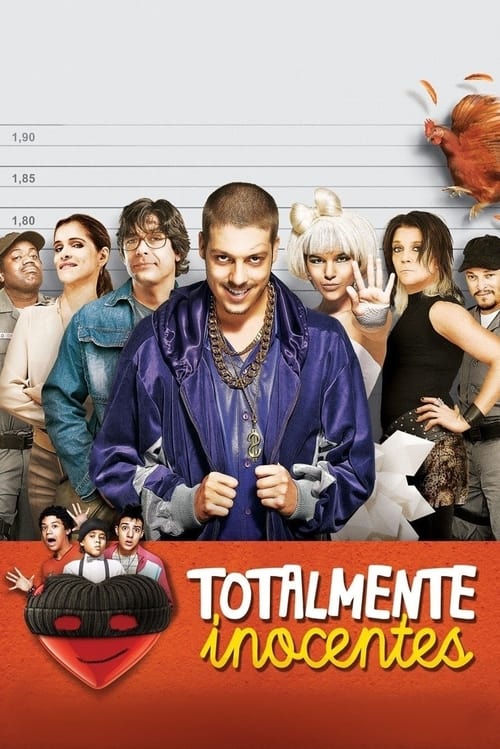
Totally Innocent operates as a crime comedy that emphasizes social aspiration and moral ambiguity over explicit identity politics. The film's depth lies in the tension between personal desires and criminal subcultures. While it lacks direct representation of underrepresented groups, it avoids simplistic hero-versus-villain narratives. Instead, it explores the fluidity of social roles and the subversion of traditional law-and-order clichés. Ultimately, the film offers a moderate level of progressive depth through its nuanced portrayal of social dynamics.
Category Breakdown
The story focuses on a heterosexual relationship between Da Fé and Gildinha. There are no explicit representations of LGBTQ+ identities or critiques of the assumption that everyone is straight or cisgender.
Female characters such as Gildinha and Wanderlei play active roles, both as objects of desire and as professional drivers of the plot, showcasing a moderate level of female empowerment.
Set in the multi-ethnic environment of Brazil, the film suggests a diverse urban landscape through its setting and character names, though it does not explicitly address multi-layered issues.
The film examines moral relativism by depicting crime as a means of social validation. It delves into the tension between media institutions and the criminal underworld.
The story does not include any characters with visible or invisible disabilities.
Present on Screen
Limited or Absent
Official Synopsis
Da Fé is hopelessly in love with Gildinha, sister of Bracinho, his best friend. He dreams of winning it, despite competition with Do Morro, the new owner of the DDC, who took over the post after handing the Diaba Loura to the police. To impress Gildinha, Da Fé decides to enter the world of crime. At the same time, she tries to get an exclusive interview with Do Morro for Wanderlei, who works with her in Taras & Tiros magazine.
2021
2004
2001
1997

2021
2013
2019

2022
No reviews yet. Be the first to share your thoughts on this movie!
Use the rating form above to leave a star rating and optional review.