
Sinthia: The Devil's Doll
1970
No user ratings available yet
Diversity score: 4.8 out of 10
No Poster Available
1954
Director
Stan Brakhage
Runtime
11 minutes
Average Rating
No ratings yetSynopsis
This way madness - or experimental filmmaking - lies. A solitary man in coat and tie enters an apartment. It's midnight. He appears agitated and distraught. He throws a glass of water in his face and laughs. He takes off the coat and tie. His moods swing. He stares at a light bulb. He removes his shirt. He lights a cigarette. He looks at a book. He does something drastic and self-destructive. He opens doors to a garden.
Overall Score
Fair
Category Breakdown
LGBTQ+ Representation
The film focuses on a solitary male figure experiencing intense psychological fluctuations. There is no explicit depiction of same-sex intimacy or non-cisnormative identity.
Gender Representation
The narrative centers on a singular male protagonist, adhering to gender-exclusive casting. However, it subverts mid-century tropes by portraying a man who is vulnerable and emotionally erratic.
Racial & Ethnic Diversity
The story features a single, unnamed individual in a domestic setting. There is no evidence of a diverse cast or intersectional character dynamics.
Religious & Cultural Diversity
The film prioritizes individualistic liberation over social decorum. The protagonist's rejection of formal attire and structured behavior suggests a critique of societal constraints.
Disability Representation
The protagonist's agitated state and swinging moods suggest a portrayal of mental health struggles. These experiences appear central to the character's reality.
Strengths
Areas for Improvement
AI Analysis
Stan Brakhage’s experimental work disrupts traditional cinematic norms by prioritizing subjective experience over conventional storytelling. While the film lacks demographic breadth, it succeeds in deconstructing established archetypes through its focus on psychological fragmentation. The film's primary strength is its subversion of mid-century masculinity. By presenting a man who is distraught and self-destructive, it moves away from the era's standard of the stoic male lead. However, the work is limited by its narrow narrative scope. The focus on a solitary, homogeneous character prevents any meaningful exploration of racial, ethnic, or intersectional identities.
1970

2020
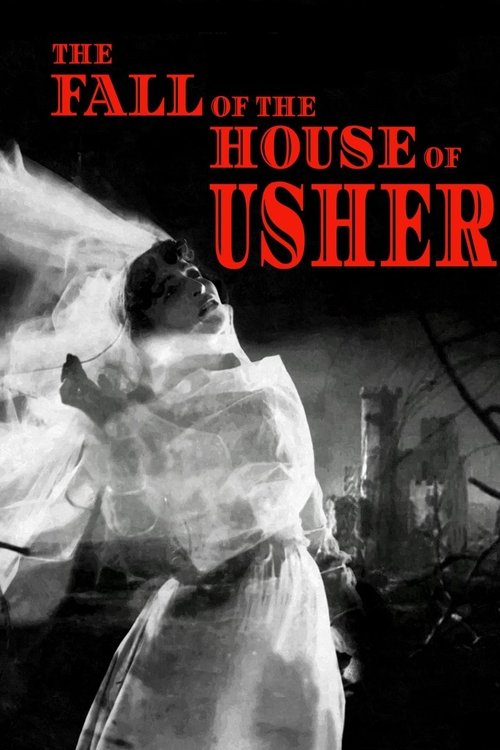
1928
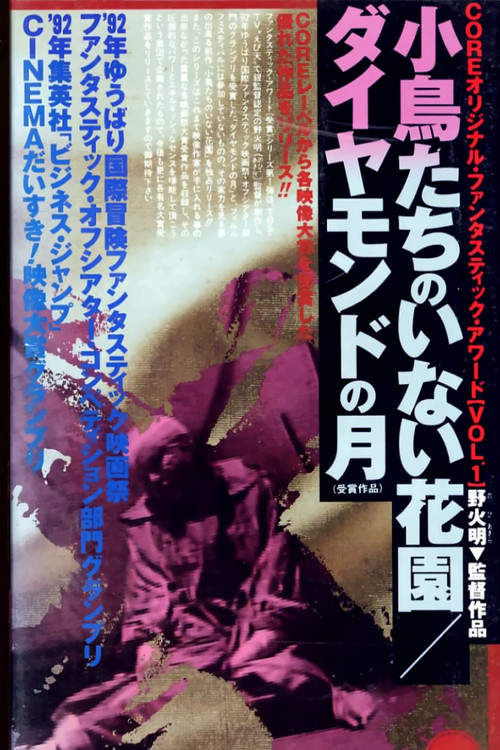
1992

1983

2015
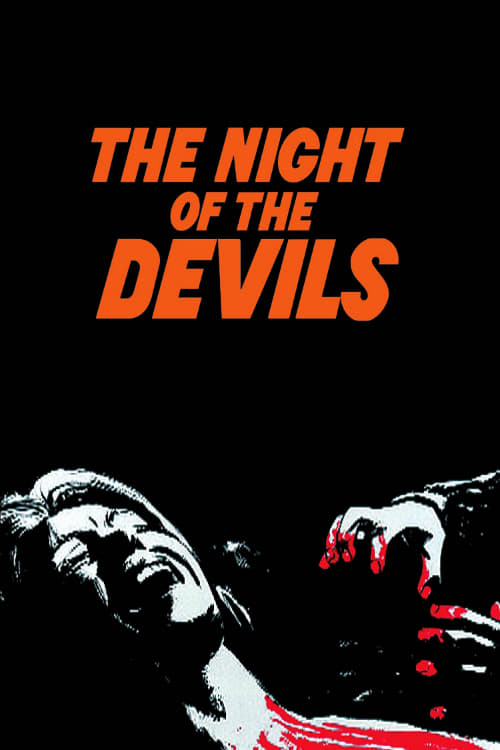
1972
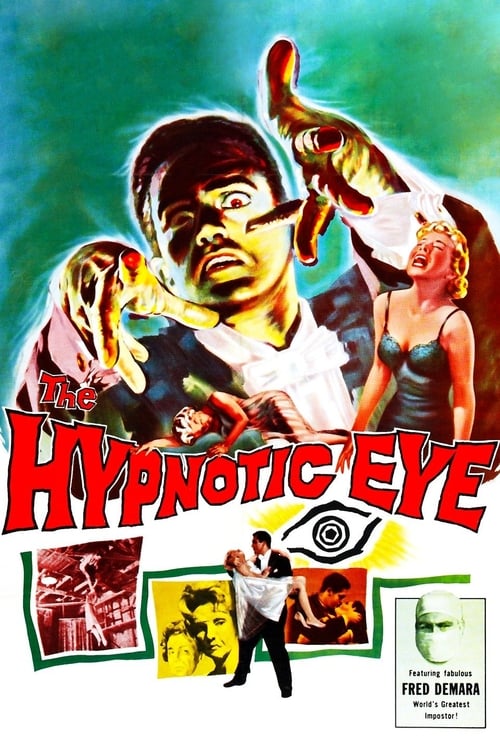
1960
1979

1986
1974
1980
No reviews yet. Be the first to share your thoughts on this movie!
Use the rating form above to leave a star rating and optional review.