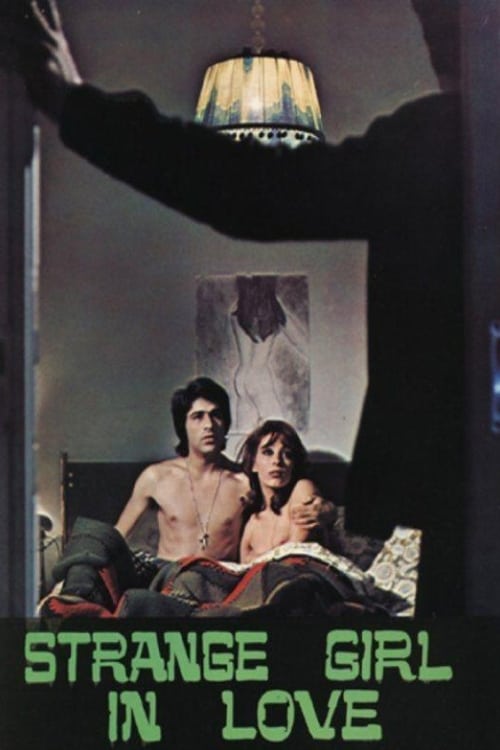
Strange Girl in Love
1973
No user ratings available yet
Representation score: 5.1 out of 10
Representation Score
Limited
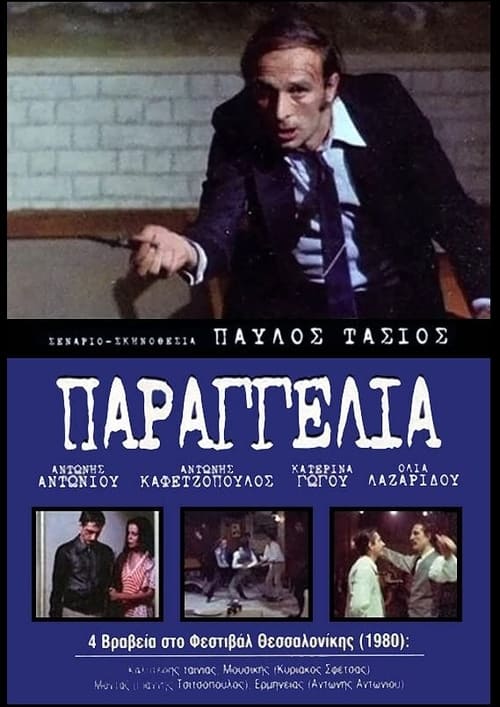
1980
Director
Pavlos Tasios
Runtime
87 minutes
Average Rating
No ratings yetNew Showbiz Analysis
Parangelia! is a localized social drama that explores traditional Greek social norms. The narrative structure is heavily reliant on honor-based conflicts and masculine social standing, which limits its engagement with progressive multi-layered themes. The film focuses on specific cultural rituals, such as the zeibekiko dance. This emphasis reinforces traditionalist frameworks rather than deconstructing systemic hierarchies or offering diverse perspectives. Ultimately, the work serves as a period-specific reflection of 1970s Athens, emphasizing cultural homogeneity and conventional gendered social rituals.
Category Breakdown
The film does not include any visible LGBTQ+ characters or stories that challenge the assumption that everyone is straight or cisgender. The plot revolves around masculine honor and traditional dance rituals, reinforcing conventional social structures.
The story centers on a masculine honor code where male roles and social standing drive the plot. There is no evidence of challenging traditional gender hierarchies.
Set in 1973 Athens, the film reflects the demographic homogeneity of its time. It focuses on Greek identity without documented efforts towards multi-ethnic or multi-layered casting.
The narrative upholds traditionalist social codes and honor-based violence. It prioritizes preserving local customs, such as the zeibekiko dance, rather than critiquing them.
There is no mention of characters with visible or invisible disabilities in the narrative.
Present on Screen
Limited or Absent
Official Synopsis
The true story of Nikos Koemtzis, a man who stabbed three men to death in 1973 Athens for disrespecting his brother Demos' zeibekiko, a traditional Greek dance.
1973

2017
1982

1988

1972

1969

1966

1979
No reviews yet. Be the first to share your thoughts on this movie!
Use the rating form above to leave a star rating and optional review.