
Sunflower
2024
No user ratings available yet
Representation score: 5.6 out of 10
Representation Score
Fair
1989
Director
Geoffrey Wright
Runtime
58 minutes
Average Rating
No ratings yetNew Showbiz Analysis
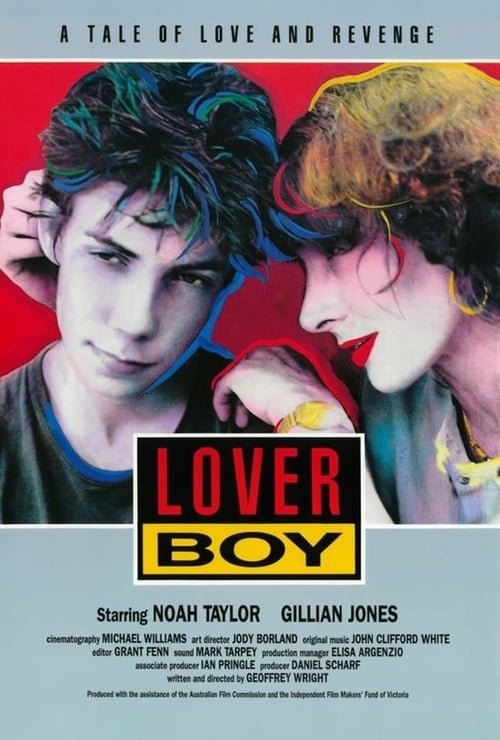
Geoffrey Wright’s *Lover Boy* is a gritty, postmodern deconstruction of the coming-of-age genre. It replaces traditional character development with a nihilistic exploration of youth identity and existential alienation within Australian suburbs. The film stands out in its cultural critique, using an anti-structure approach to challenge the stability of social and familial institutions. It frames aimless rebellion as a response to systemic emptiness rather than simple criminality. However, the work lacks meaningful representation across most demographic categories. It remains a narrow, straight-focused study of social breakdown rather than a diverse exploration of identity.
Category Breakdown
The film does not include any LGBTQ+ characters or explore non-cisgender identities. The story focuses on heterosexual relationships between the main character and a mature woman.
Gender dynamics are shown as complex and often negative. Male characters avoid typical leadership roles, while female characters are often sidelined by male-dominated nihilism.
The cast is mostly made up of people from the same ethnic background, reflecting a late-80s suburban Melbourne setting. The film offers a localized view of the Australian working-class experience.
The film explores moral relativism and questions traditional Western social structures. It portrays conventional institutions as sources of alienation in suburban settings.
There are no characters with visible or invisible disabilities. The story focuses on the psychological states of neurotypical, yet alienated, teenagers.
Present on Screen
Limited or Absent
Official Synopsis
In suburban Melbourne, an awkward and inexperienced teenage boy and a mature woman come to discover the full force of their sexuality.
2024

1999

2000

1987
1987

2004

2006

2013
No reviews yet. Be the first to share your thoughts on this movie!
Use the rating form above to leave a star rating and optional review.