Ghosts of Mississippi
1996
No user ratings available yet
Representation score: 4.6 out of 10
Representation Score
Limited
1962
NRDirector
Robert Mulligan
Runtime
129 minutes
Average Rating
No ratings yetNew Showbiz Analysis
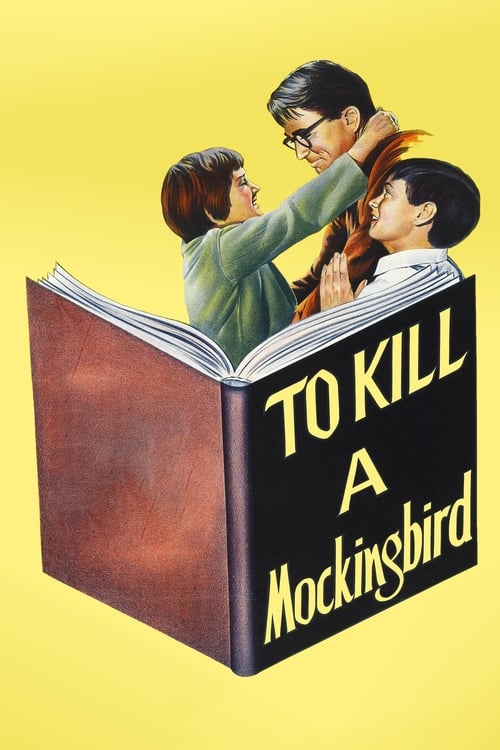
To Kill a Mockingbird is a strong critique of the systemic racism and racial hierarchies of the Jim Crow South. It uses the trial of Tom Robinson to reveal the mechanisms of institutional oppression and social injustice. The film also subtly challenges gender norms through Scout Finch's resistance to traditional femininity. Despite exploring these social issues, it remains a product of its time, lacking LGBTQ+ representation or explicit disability narratives. Ultimately, the film excels in its moral examination of racial and gender structures, while operating within the historical constraints of its 1962 production.
Category Breakdown
The film does not include any LGBTQ+ characters or stories. It follows the strict heterosexual norms of 1930s Alabama.
Scout Finch defies the feminine norms of the 1930s by rejecting traditional clothing and behavior. However, the story is still shaped by a patriarchal system led by Atticus Finch.
The film gives significant roles to Black characters such as Tom Robinson and Calpurnia. It highlights the structural failures of legal and social systems in addressing racial injustice.
The movie criticizes the flaws in Southern institutions and customs. It emphasizes personal morality over community-sanctioned norms.
There are no prominent portrayals of physical or neurodivergent disabilities. Boo Radley is shown through social isolation rather than a defined clinical condition.
Present on Screen
Limited or Absent
Official Synopsis
Scout Finch, 6, and her older brother Jem live in sleepy Maycomb, Alabama, spending much of their time with their friend Dill and spying on their reclusive and mysterious neighbor, Boo Radley. When Atticus, their widowed father and a respected lawyer, defends a black man named Tom Robinson against fabricated rape charges, the trial and tangent events expose the children to evils of racism and stereotyping.
1996
1950

2022
1990

1957
1967
1989
1997
No reviews yet. Be the first to share your thoughts on this movie!
Use the rating form above to leave a star rating and optional review.