
Irregulars
2015
No user ratings available yet
Representation score: 8.3 out of 10
Representation Score
Good
2012
Director
Daniele Vicari
Runtime
92 minutes
Average Rating
No ratings yetNew Showbiz Analysis
This film is a powerful work of social realism that centers the migrant experience to challenge the abstraction of migration statistics. It shifts the perspective from the European observer to the subjects of the crisis, using post-colonial themes to critique modern border infrastructures. Its strength lies in its intentionality, presenting underrepresented voices as the central driving force of the narrative rather than peripheral figures. By focusing on the movement from the Global South to the Global North, it exposes historical power imbalances and systemic exploitation. While the film excels in racial and cultural critique, it lacks representation for LGBTQ+ identities and does not focus on specific disability-driven narratives.
Category Breakdown
The film does not include explicit LGBTQ+ characters or narratives. It focuses solely on the socioeconomic and survivalist aspects of the migrant crisis.
Both men and women are shown to share vulnerability and play active roles in the struggle for survival. Women are depicted as taking an active part in the story rather than being passive victims.
The film centers a predominantly Black and non-white cast, shifting the narrative focus from European observers to the subjects of the migration crisis.
The film critiques Western institutions and legal frameworks of border control. It highlights the tension between individual survival and oppressive, state-imposed borders.
Physical and psychological trauma are shown as consequences of systemic violence. However, the film does not explore neurodivergence or specific disabilities as central character themes.
Present on Screen
Limited or Absent
Official Synopsis
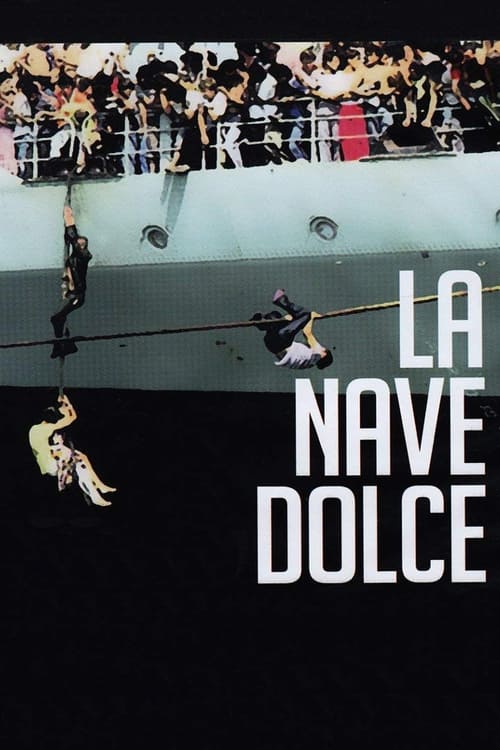
On 8 August 1991, an Albanian ship carrying 20,000 people reached the port of Bari. The ship was called the “Vlora”. Mooring was difficult, and some of the passengers jumped overboard to swim to land, while many others chanted “Italia, Italia”, making the victory sign. On 7 August 1991, the ship, returning from Cuba, the “Vlora” had arrived at the port of Durrës with 10,000 tons of sugar in its hold. Work on unloading the sugar was underway when an enormous throng of thousands of people suddenly assailed the ship, forcing the captain to head for Italy. The next morning, waiting for the “Vlora” was an incredulous and stunned city and an empty football stadium where the Albanians were held before being sent back home. Twenty-one years have passed since that day. Most of the people who boarded that ship were sent back to Albania, but the crossings continued and many of them had another go. Today, 4.5 million foreigners live in Italy.
2015
2016

2016
2011
2019
2023

2015
2014
No reviews yet. Be the first to share your thoughts on this movie!
Use the rating form above to leave a star rating and optional review.