
Shadow Game
2021
No user ratings available yet
Representation score: 9.2 out of 10
Representation Score
Good
2023
Director
Stefano Collizzolli, Andrea Segre, Matteo Calore
Runtime
75 minutes
Average Rating
No ratings yetNew Showbiz Analysis
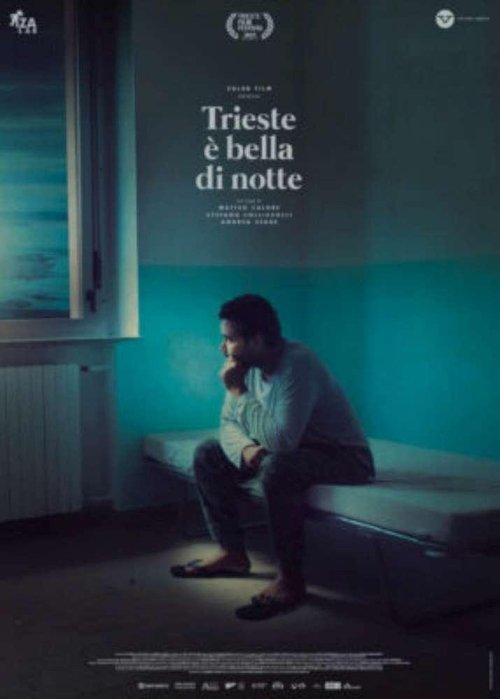
Trieste Shines at Night succeeds as a piece of social critique by decentralizing the narrative. Instead of relying on an authoritative voice, it utilizes raw, first-person digital artifacts to elevate underrepresented perspectives. The film's strength lies in its systemic deconstruction of Western institutional power. By centering the voices of people of color and those facing deportation, it challenges the dominance of the state. However, the documentary's focus on geopolitical borders and migration mechanics leaves certain identity-specific narratives, such as LGBTQ+ or disability-focused arcs, largely unaddressed.
Category Breakdown
The film focuses on the mechanics of border enforcement and the migrant experience. While no specific LGBTQ+-centric arcs are mentioned, the documentary format allows for the exploration of diverse identities.
The narrative prioritizes individual control over institutional authority. By using migrant-recorded smartphone footage, the film challenges the traditional male-dominated gaze of state structures.
The documentary centers on non-white populations navigating European borders. It highlights the systemic friction between diverse ethnic identities and the homogeneous legal frameworks of the EU.
The film critiques Western institutions by framing state responses as contradictory. It uses first-person footage to prioritize the lived truths of migrants over official nationalist narratives.
There is no specific evidence to suggest that disability serves as a primary or central narrative driver in this work.
Present on Screen
Limited or Absent
Official Synopsis
On an internal EU border – the one between Italy and Slovenia, a few kilometers from Trieste, migrants who manage to cross the border risk being stopped by Italian law enforcement. The stories of migrants who have experienced refoulements and readmissions are interwoven with the videos recorded by the migrants themselves on their smartphones during their long journeys, as well as with the increasingly contradictory responses of the institutions.
2021

2016
2019
2021
2018

2016

2008

2014
No reviews yet. Be the first to share your thoughts on this movie!
Use the rating form above to leave a star rating and optional review.