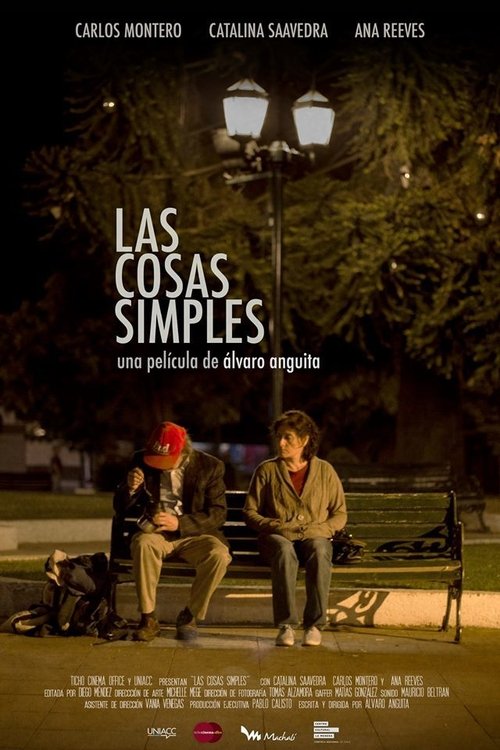
The Simple Things
2015
No user ratings available yet
Representation score: 7.9 out of 10

Representation Score
Excellent
2010
Director
María Novaro
Runtime
118 minutes
Average Rating
No ratings yetNew Showbiz Analysis
María Novaro’s drama succeeds by centering female subjectivity and deconstructing traditional domestic structures. By focusing on the relationship between a daughter and a mother with Alzheimer's, the film elevates the emotional labor of women into a powerful narrative engine. The film challenges Western cinematic norms by rooting itself in a specific Mexican cultural landscape. This provides an authentic perspective that avoids external observation, offering a more nuanced view of identity and social ability to act. While the film excels in gender and disability representation, the specific details regarding LGBTQ+ romantic pairings remain less explicit. However, the disruption of the nuclear family remains a core thematic strength.
Category Breakdown
The film explores non-traditional family structures and moves away from the assumption that everyone is straight or cisgender. It focuses on female-centric spaces that disrupt conventional domestic settings.
The narrative centers on women's ability to drive the story through caregiving and emotional labor. It positions the female experience as the primary driver of the plot.
As a Mexican production, the film offers a non-Anglo-centric perspective. It provides depth to characters of color through authentic linguistic and social contexts.
The film prioritizes lived experience over rigid institutional or religious frameworks. It uses Alzheimer's to question traditional notions of the stable family unit.
The portrayal of Alzheimer's avoids 'inspiration porn' by focusing on the difficult realities of neurodegeneration. It centers the lived reality of cognitive decline and shifting power dynamics.
Present on Screen
Limited or Absent
Official Synopsis
A young woman has to deal with her mother's degradation due to Alzheimer's disease.
2015
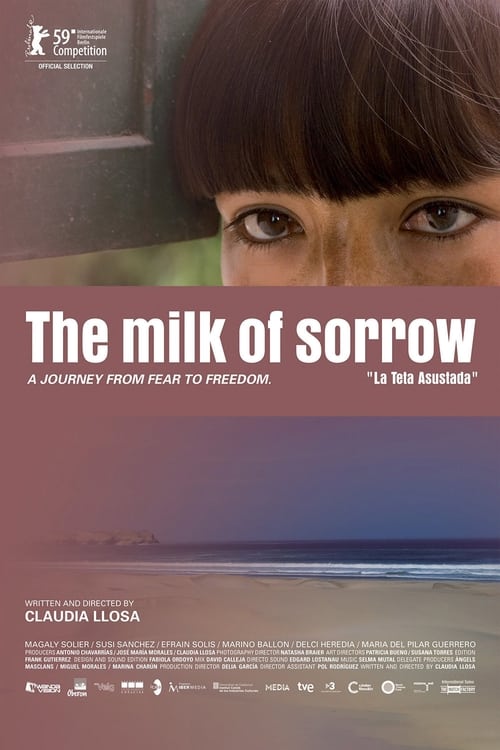
2009

2011

2014
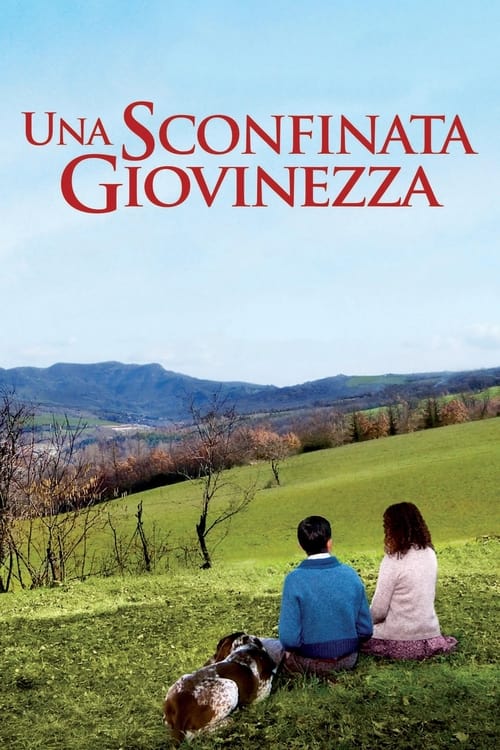
2010
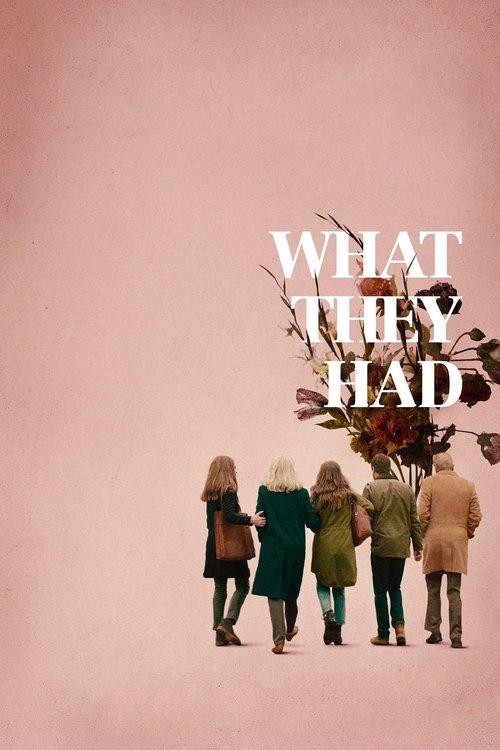
2018
2010

2017
No reviews yet. Be the first to share your thoughts on this movie!
Use the rating form above to leave a star rating and optional review.