
Our Body
2023
No user ratings available yet
Representation score: 7.4 out of 10
Representation Score
Fair
2002
Director
Margreth Olin
Runtime
26 minutes
Average Rating
No ratings yetNew Showbiz Analysis
Margreth Olin’s documentary is a deeply personal exploration of vulnerability and familial intimacy. It succeeds by shifting the focus from the spectacle of illness to the subjective experience of the individual living through it. The film excels in its nuanced portrayal of disability and its challenge to traditional gender hierarchies. By centering the female perspective on bodily autonomy, it subverts conventional depictions of ability to act during medical crises. However, the work lacks broader demographic diversity. The narrative is confined to a specific Norwegian context, resulting in limited representation of LGBTQ+ identities and racial and ethnic diversity.
Category Breakdown
There are no LGBTQ+ characters or stories in the film. It focuses solely on the biological and emotional connections within a specific family unit.
The film centers on the experiences of women and the intellectual bond between sisters. It emphasizes the importance of bodily autonomy over traditional gender roles.
The documentary portrays a specific Norwegian family in a rural area. It lacks racial diversity, reflecting the demographic reality of its local setting.
The film explores personal morality and existential questions rather than religious doctrine. It presents the family through a lens of intimacy and grief, avoiding idealized social structures.
The film provides a nuanced look at terminal illness and physical decline. It avoids pity by focusing on the raw, unglamorous reality of the condition.
Present on Screen
Limited or Absent
Official Synopsis
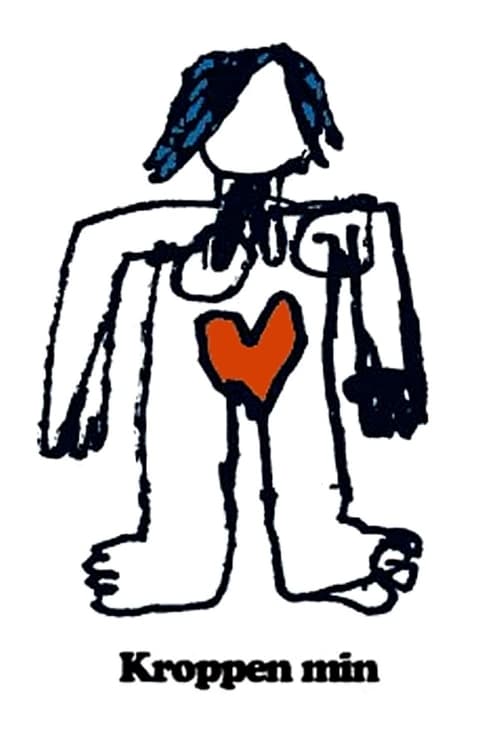
A short documentary about a filmmaker's life and her relationship with her body.
2023
2008
2004
2014
2003

2003
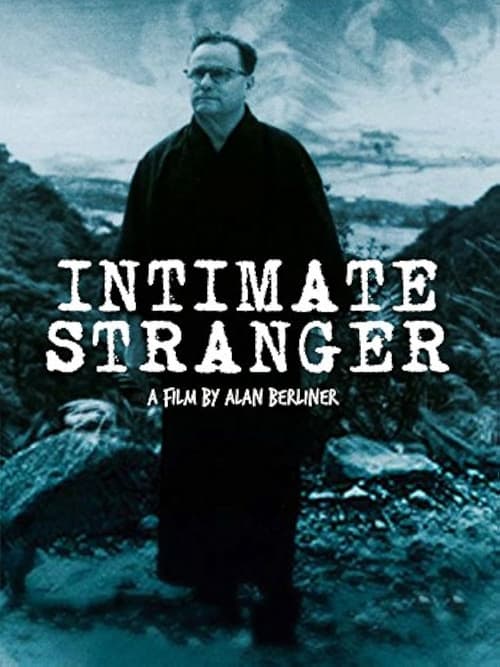
1991

2003
No reviews yet. Be the first to share your thoughts on this movie!
Use the rating form above to leave a star rating and optional review.