
The Big Picture
2010
No user ratings available yet
Representation score: 2.6 out of 10
Representation Score
Limited
2010
Director
Michel Rodde
Runtime
94 minutes
Average Rating
No ratings yetNew Showbiz Analysis
The Impasse of Desire functions as a traditional psychological thriller centered on individual pathology and interpersonal betrayal. The narrative prioritizes personal obsession and mental instability over broader social critiques. While the film explores the corruption of professional ethics, it does so through a narrow lens of character dysfunction. The story lacks engagement with diverse identities and broader power structures. Ultimately, the film remains a study of moral decay and jealousy, offering little in the way of diverse representation or social commentary.
Category Breakdown
The film focuses on a heterosexual marital conflict and a male-centric psychological dynamic. There is no representation of non-straight or non-cisgender identities.
The plot utilizes traditional gendered clichés of domestic betrayal. While Carole leaves her husband, the narrative is driven primarily by the male characters' psychological states.
The cast and character descriptions do not indicate racial or ethnic diversity. The narrative centers on a homogeneous social stratum of professional and psychological actors.
The film explores the breakdown of professional ethics and subjective morality. It depicts the corruption of traditional medical institutions through a character study of dysfunction.
Mental health is central to the plot through the character Léo Debond. However, his condition serves as a catalyst for manipulation rather than a portrayal of lived experience.
Present on Screen
Limited or Absent
Official Synopsis
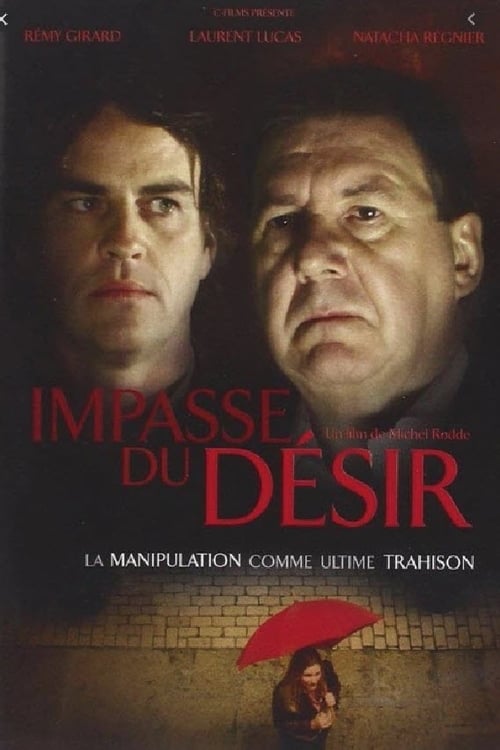
When the distinguished psychiatrist Robert Block discovers that his young wife Carole has betrayed him, he is thrown completely off balance. His jealousy hinders him from caring for his patients as responsibly as he should, until Léo Debond , a psychotic and depressive single, seeks his help. Robert sees him with a mixture of compassion and secret contempt. After Carole wants to leave him for good, he takes advantage of Léo’s trust and dependence and makes him an accomplice in a secret plan aiming to end his own pain.
2010

1994

2023
1980

2023

2010
1996
2010
No reviews yet. Be the first to share your thoughts on this movie!
Use the rating form above to leave a star rating and optional review.