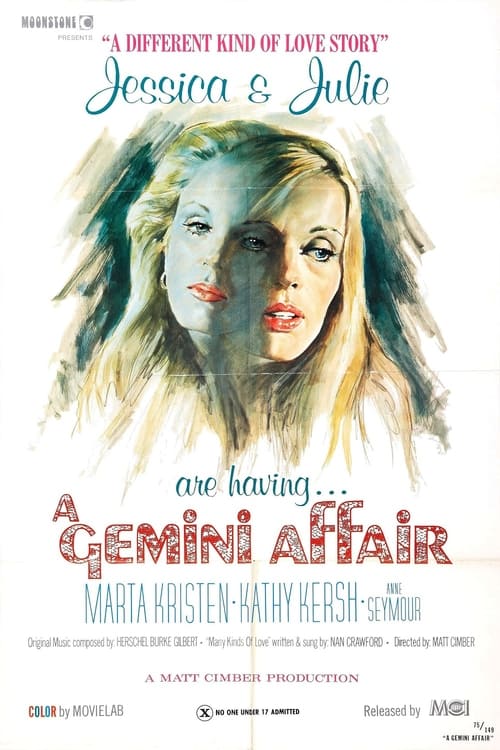
Gemini Affair
1975
No user ratings available yet
Representation score: 3.9 out of 10

Representation Score
Good
1975
RDirector
John Schlesinger
Runtime
145 minutes
Average Rating
No ratings yetNew Showbiz Analysis
The Day of the Locust is a cynical deconstruction of the Hollywood myth. It excels at systemic critique, using the 'locust' metaphor to illustrate the collapse of social order and the corruption of capitalist illusions. While the film offers a sophisticated interrogation of gender roles and institutional stability, it remains limited in explicit demographic representation. The narrative prioritizes psychological fragmentation and social alienation over diverse identity-based storytelling. Ultimately, the film's progressive nature is found in its thematic subversion of traditional authority and the American Dream, rather than in its portrayal of specific underrepresented groups.
Category Breakdown
The film focuses on predatory heterosexual dynamics within the 1930s studio system. It does not include explicit LGBTQ+ identities or narratives that challenge the assumption that everyone is straight or cisgender.
Faye Greener subverts the submissive feminine archetype by using her femininity as a survival tool. Men are portrayed as emotionally vacant or driven by destructive impulses.
The film reflects 1930s social constraints but highlights systemic inequality through the migrant working class. It critiques the homogeneity required by the Hollywood studio system.
This is a profound critique of Western institutional stability and the American Dream. The narrative frames the pursuit of fame as a nihilistic, corrupt vacuum.
Characters experience psychological instability and existential despair. These elements often serve as metaphors for social decay rather than providing ability to act to characters with specific disabilities.
Present on Screen
Limited or Absent
Official Synopsis
Hollywood, 1930s. Tod Hackett, a young painter who tries to make his way as an art director in the lurid world of film industry, gets infatuated with his neighbor Faye Greener, an aspiring actress who prefers the life that Homer Simpson, a lone accountant, can offer her.
1975

1930
1983

1982
1995
1961

1968
1965
No reviews yet. Be the first to share your thoughts on this movie!
Use the rating form above to leave a star rating and optional review.