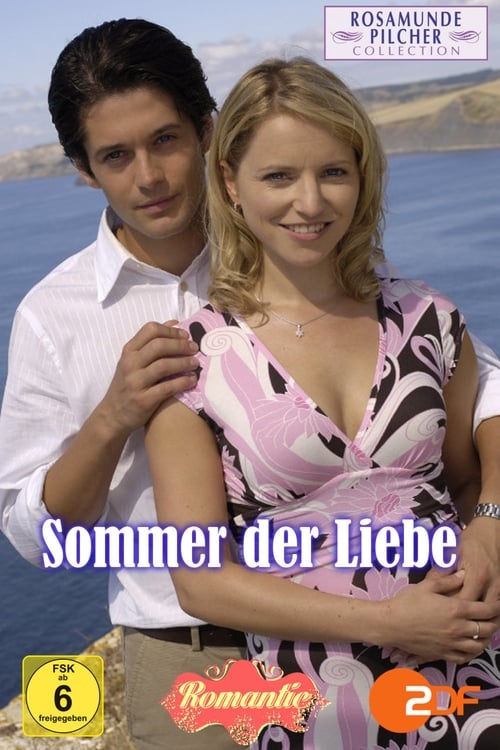
Rosamunde Pilcher: Sommer der Liebe
2007
No user ratings available yet
Representation score: 2.0 out of 10
Representation Score
Limited
2011
Director
Stefan Bartmann
Runtime
89 minutes
Average Rating
No ratings yetNew Showbiz Analysis
The film is a traditional melodrama that reinforces conventional social and gendered expectations. It relies on established Western familial structures and high-status social hierarchies to create narrative tension. While illness and misunderstandings are used to create conflict, these elements serve the genre’s mechanics rather than offering meaningful representation. The focus remains on a homogeneous, Eurocentric worldview. Ultimately, the work functions as a standard romantic drama that prioritizes traditional narrative structures over diverse perspectives.
Category Breakdown
The story focuses on heterosexual relationships and traditional families, without including any non-straight or non-cisgender identities or critiques of heterosexuality.
Female characters play key roles in driving the emotional storyline, but they are confined within traditional domestic settings. The narrative leans on conventional gender clichés like male protectors and misunderstandings driven by women.
The film seems to center around a uniform social environment with a Eurocentric look and feel, lacking visible racial diversity.
The plot emphasizes traditional Western values concerning marriage and social standing, focusing on high-status social circles and the nuclear family tradition.
A fatal disease serves as a plot catalyst, but it mainly functions as a device to advance the story rather than exploring the lived experience of disability.
Present on Screen
Limited or Absent
Official Synopsis
Edward Rosmore, a millionaire suffering from a fatal disease, uses a pretext to bring George Armstrong - the man his beloved wife adored when she was younger - back into her life; he wants to make sure there will be somebody to look after her after his death. But his plan seems to go completely askew when his wife misunderstands his intentions and thinks he is planning a new beginning with his secretary. On top of which her daughter begins to fall in love with George, not realizing he is actually her father. And then, when the misunderstandings and half-truths have completely divided the family, there is a tragic sailing accident. Edward dies - and George comes under suspicion of murder...
2007

2000

2009

1983
2000
2020

2017

1994
No reviews yet. Be the first to share your thoughts on this movie!
Use the rating form above to leave a star rating and optional review.