
The Secret to My Silky Skin
2014
No user ratings available yet
Representation score: 4.7 out of 10
Representation Score
Good
2017
NRDirector
Kōichi Imaizumi
Runtime
123 minutes
Average Rating
No ratings yetNew Showbiz Analysis
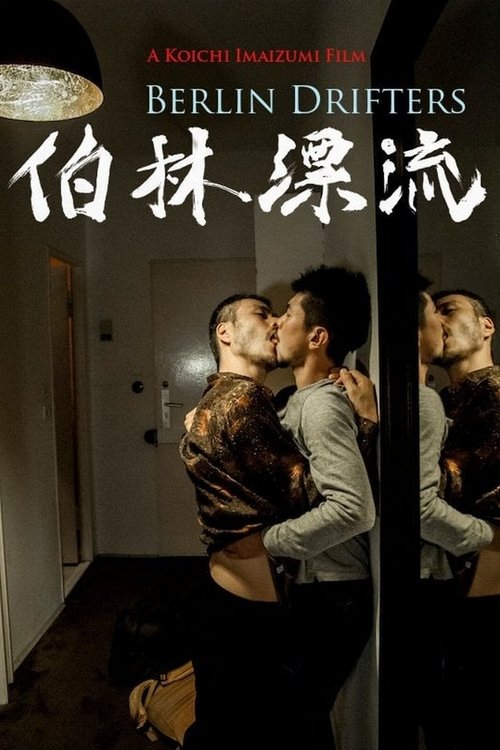
Berlin Drifters offers a raw, cynical look at modern alienation through a queer lens. By focusing on fleeting sexual encounters and rejecting traditional romantic milestones, the film effectively challenges conventional social norms. The narrative excels at portraying the complexities of identity and desire in a globalized, digital age. It avoids simplistic redemptive arcs, opting for a fragmented and realistic exploration of human connection. While the film strongly subverts traditional social structures, its male-centric focus and limited racial diversity keep the overall diversity score moderate.
Category Breakdown
The film focuses on queer experiences and non-traditional social spaces, exploring digital intimacy through dating apps and Berlin's sex club scene. It disrupts typical romantic expectations.
The story operates within a male-centric framework that downplays traditional gender hierarchies. Masculinity is shown through vulnerability and loneliness rather than through stable or leadership roles.
The film features a blend of identities among Japanese characters and a German urban backdrop, exploring the intersection of expatriate life and local queer subcultures.
The story prioritizes urban hedonism over religious or family-based morality. It deconstructs traditional social institutions, portraying marriage and domestic stability as sources of disappointment.
There are no explicit depictions of physical or neurodivergent disabilities that serve as central narrative drivers in the film.
Present on Screen
Limited or Absent
Official Synopsis
Kôichi is a Japanese man living alone in Berlin. He has no job and hardly any friends. One night Kôichi meets Ryota at a bar which is also a sex club. Ryota came to Berlin to visit a German guy whom he had "met" on a dating app. His high hopes for romance (and marriage?) were quickly crushed since the German was only interested in sex, not even letting Ryota stay for the night. That is why Ryota ended up spending the night in the dark room of the sex club. Kôichi for some reason lets Ryota stay at his apartment. They have sex. Ryota goes out almost everyday to get laid by various local men and comes home to Kôichi's. Increasingly caught up with a strange feeling that is akin to but not quite frustration or curiosity (needless to say, it is not even close to love), Kôichi gradually gives himself up to sex with Ryota.
2014

2013

2017

2016

2015

2012

2019

2018
No reviews yet. Be the first to share your thoughts on this movie!
Use the rating form above to leave a star rating and optional review.