Misdirection
2026
No user ratings available yet
Representation score: 0.8 out of 10
Representation Score
Limited
2026
16+Director
Joe Brooks
Runtime
7 minutes
Average Rating
No ratings yetNew Showbiz Analysis
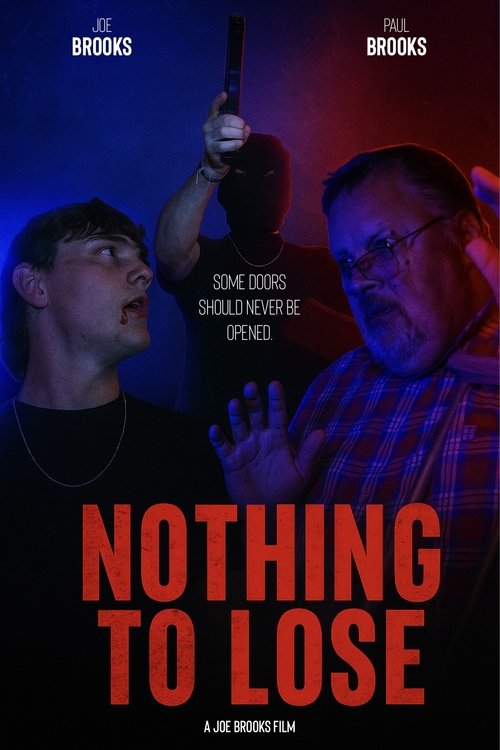
Nothing to Lose (2026) presents a narrow demographic scope. The story revolves around two men: a terminally ill homeowner and a masked robber. No female, LGBTQ+, or racially diverse characters are mentioned. The protagonist’s terminal illness is handled with narrative weight rather than mockery, anchoring the film’s emotional stakes. This focus on mortality and memory provides a clear, if limited, representation of disability. Culturally, the plot hints at traditional family values through the protagonist’s devotion to his late wife’s cherished possession. However, the absence of broader social critique or diverse perspectives keeps the cultural lens tight and conventional.
Category Breakdown
No LGBTQ+ characters appear or are identified. The narrative focuses entirely on a terminally ill man and a masked robber, leaving queer representation absent from the story.
The plot centers on two male characters: the homeowner and the intruder. No female characters appear in the provided details, resulting in a strictly male-driven narrative.
The cast list and plot summary do not specify the race or ethnicity of any characters. No diverse casting is confirmed, leaving racial representation unaddressed.
The film centers on a terminally ill man protecting his late wife’s cherished possession, suggesting traditional family values. Wealth and institutions are not explicitly critiqued.
The protagonist is terminally ill, making his condition central to the plot. The illness is not mocked but serves as a key plot driver.
Present on Screen
Limited or Absent
Official Synopsis
When a terminally ill man returns home to find a masked robber stealing his late wife’s most cherished possession, an unexpected dinner turns into a high-stakes mind game with survival, violence, and revenge.
2026

2020

2021

2015
2019

2024

2016

2026
No reviews yet. Be the first to share your thoughts on this movie!
Use the rating form above to leave a star rating and optional review.