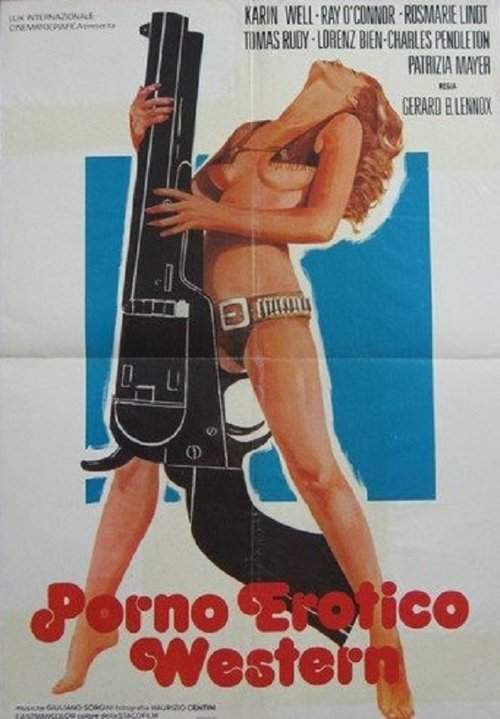
Porno erotico western
1979
No user ratings available yet
Representation score: 0.8 out of 10
No Poster Available
Representation Score
Limited
1978
Director
Jean-Marie Pallardy
Runtime
110 minutes
Average Rating
No ratings yetNew Showbiz Analysis
L'Arrière-train Sifflera Trois Fois functions as a genre-specific exploitation piece rather than a work of social commentary. It adheres to the clichés of 1970s erotic cinema, prioritizing escapism over challenging systemic power dynamics. The low diversity score reflects the historical constraints of the Western setting and the narrative's focus on eroticism. While it subtly shifts away from traditional masculine heroism by centering female characters, it does not engage in intentional storytelling that reflects multiple aspects of identity. Ultimately, the film operates within the boundaries of its era and genre, offering a cynical view of Western institutions through the lens of farce rather than a critique of social hierarchies.
Category Breakdown
The film does not include explicit queer characters or narratives. It focuses on heterosexual dynamics without clear representation of LGBTQ+ individuals.
Female characters such as Lulu and Lucky Lucky play central roles. While they deviate from traditional masculine hero clichés, they may still be defined by their sexual availability.
Set in the 19th-century American West, the film lacks evidence of diverse casting. It seems to rely on the typical homogeneous archetypes of the genre.
The film uses a traditional Western setting but challenges frontier morality through farce. It prioritizes eroticism over standard themes of patriotism or religious virtue.
There is no information regarding the portrayal of physical or neurodivergent disabilities in this work.
Present on Screen
Limited or Absent
Official Synopsis
The film is an erotic farce that takes place in the 19th century in the United States and tells the adventures of John Keykett (owner of a saloon), Lulu (a prostitute) and Lucky Lucky ( the teacher).
1979
1987
1975
1995
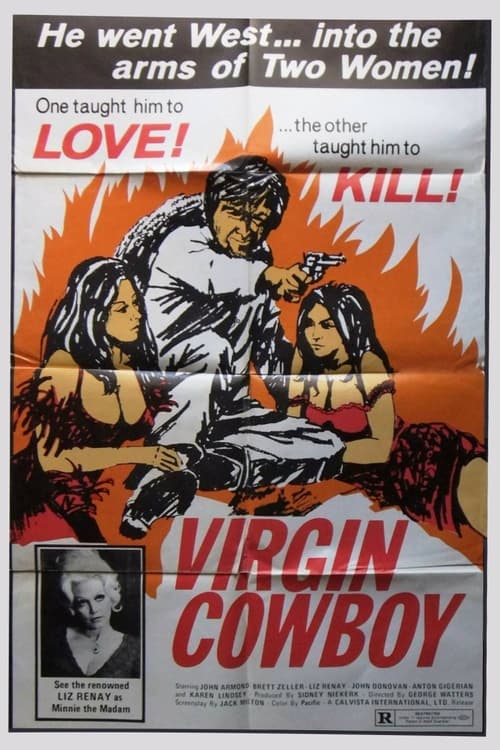
1975
1962
1968
1966
No reviews yet. Be the first to share your thoughts on this movie!
Use the rating form above to leave a star rating and optional review.