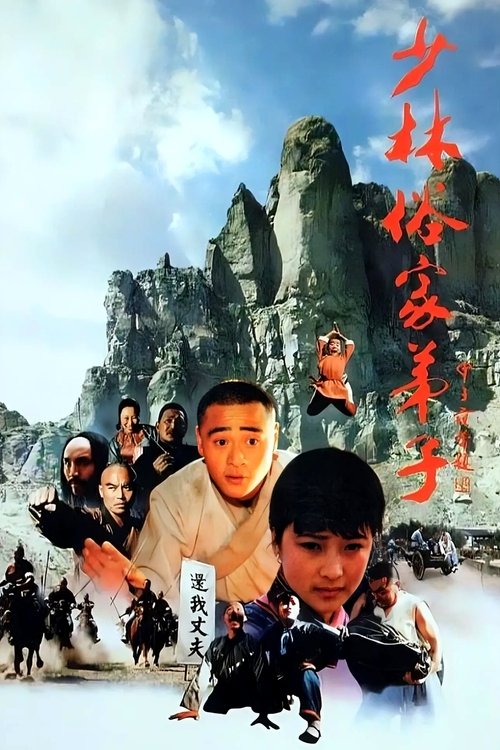
Disciples Of Shaolin
1985
No user ratings available yet
Representation score: 3.0 out of 10

Representation Score
Fair
2010
Director
Lee Lik-Chi
Runtime
102 minutes
Average Rating
No ratings yetNew Showbiz Analysis
Flirting Scholar 2 works within a traditional genre framework, emphasizing classical literary themes and romantic pursuits. While it adheres to many period-comedy conventions, it uses its narrative to challenge institutional rigidity. The film highlights the tension between individual autonomy and organized authority. It also critiques the persecution of individuals by religious establishments. However, the film remains limited by its ethnic uniformity and a lack of diverse identity representation. The romantic storyline follows a standard heterosexual structure typical of the wuxia genre.
Category Breakdown
The story focuses on a heterosexual relationship between Tang Bohu and Qiu Xiang. There is no depiction of same-sex relationships or non-binary identities.
Qiu Xiang challenges traditional gender roles through her supernatural abilities. Her autonomy is pitted against patriarchal religious control.
The film presents a non-Western perspective based on Chinese folklore. However, the cast remains ethnically uniform within its own cultural context.
The narrative criticizes strict institutional authority by showing a monastery that endangers individual happiness. It emphasizes personal emotions over religious doctrine.
There is no indication of the portrayal of physical or cognitive disabilities in this work.
Present on Screen
Limited or Absent
Official Synopsis
Tang Bohu's mother sends him to study at Qingfeng Monastery, but he can't bear the austere and monotonous life at the monastery. So, his three good friends secretly take Tang Bohu out for an excursion, where they run into Qian Qian/Qiu Xiang. Tang Bo Hu immediately falls for her, but later, she gets accused as being a spider spirit and is about to be burned to death by a priest...
1985

1991
1995

1990

2023

2020
2006
1990
No reviews yet. Be the first to share your thoughts on this movie!
Use the rating form above to leave a star rating and optional review.