
The Surrogate
2021
No user ratings available yet
Representation score: 4.8 out of 10
Representation Score
Fair
2021
ApprovedDirector
Reuben Odanga
Runtime
123 minutes
Average Rating
No ratings yetNew Showbiz Analysis
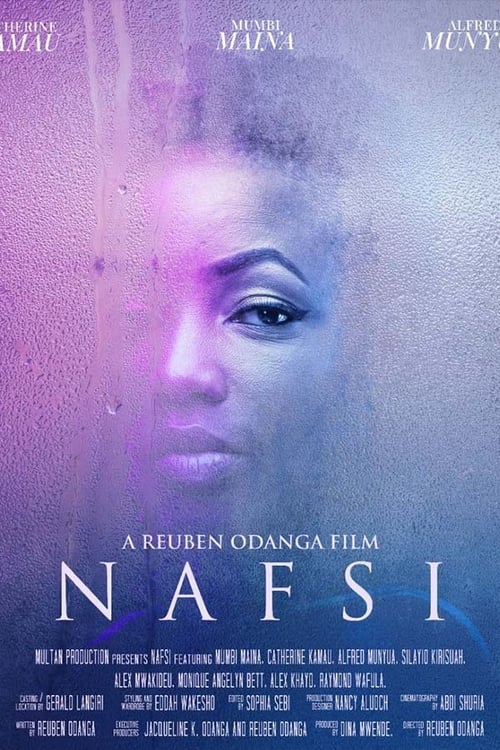
Nafsi is a character-driven drama that explores East African social complexities. It moves away from Western narrative clichés by centering the psychological and social friction inherent in modern reproductive choices. The film excels at deconstructing traditional notions of motherhood and kinship. By placing the negotiation of surrogacy at the heart of the plot, it highlights the power dynamics and control of its female protagonists. However, the film lacks diversity in terms of LGBTQ+ representation and disability. While it offers a deep dive into gendered and cultural dynamics, it does not provide a broad spectrum of identity-based perspectives.
Category Breakdown
The film focuses on a heterosexual marriage and a friendship between women. There is no visible queer presence or non-cisgender identity depicted in the story.
The movie centers on women's ability to drive the story and their reproductive power. By focusing on surrogacy and bodily autonomy, it challenges patriarchal structures through the lens of female friendship.
Directed by Reuben Odanga, the film centers on East African lived experiences. This positioning challenges Western-centric cinematic conventions by prioritizing non-Anglo-Saxon perspectives.
The story explores the tension between traditional family structures and modern reproductive technologies. It examines the social costs of redefining kinship and biological family.
The provided information contains no mention of physical, neurodivergent, or mental health disabilities. No representation in this category is identified.
Present on Screen
Limited or Absent
Official Synopsis
After she and her husband struggle to conceive, a woman asks her best friend to be her surrogate -- which ultimately puts their friendship in jeopardy.
2021

2022

2013

1999

2021

2019

2018

2021
No reviews yet. Be the first to share your thoughts on this movie!
Use the rating form above to leave a star rating and optional review.