
Naples... Serenade Caliber 9
1978
No user ratings available yet
Representation score: 2.7 out of 10
Representation Score
Minimal
1973
Director
Vittorio Schiraldi
Runtime
113 minutes
Average Rating
No ratings yetNew Showbiz Analysis
Family Killer is primarily a crime melodrama focused on themes of vengeance, patriarchal succession, and masculine dominance. The narrative structure emphasizes traditional power dynamics rather than multi-layered complexity. The film includes American actors, adding a transnational dimension to the Mediterranean setting. However, the cultural landscape remains largely homogeneous, centered on a specific criminal hierarchy. Overall, the work fails to challenge traditional social hierarchies, sticking to conventional clichés of violent, male-led power struggles.
Category Breakdown
The film centers on a traditional male power struggle within a criminal hierarchy. There are no representations or critiques of LGBTQ+ identities or non-straight relationships.
The story focuses heavily on male-driven conflicts and dominance. Although Agostina Belli is a key character, the plot revolves around land disputes and revenge among men.
The cast is mainly composed of Mediterranean actors, reflecting the Italian production. Including American actors adds a transnational element to the Italian socio-political context.
The story examines the corruption of family units and Mafia power structures. It portrays the breakdown of traditional patriarchal authority through violent melodrama.
There are no characters with visible or invisible disabilities in the film.
Present on Screen
Limited or Absent
Official Synopsis
Stefano, son of the Mafia Don Angelino Ferrante, is killed by Gaspare Ardizzone (John Saxon) for refusing to sell some valuable land. The old don sends for Ferrante Santino Billeci from America, in the hope that he'll be able to help in getting revenge. But Gaspar, meanwhile, is becoming the most powerful and ruthless boss of the area...
1978
1976
1973
1980

1959
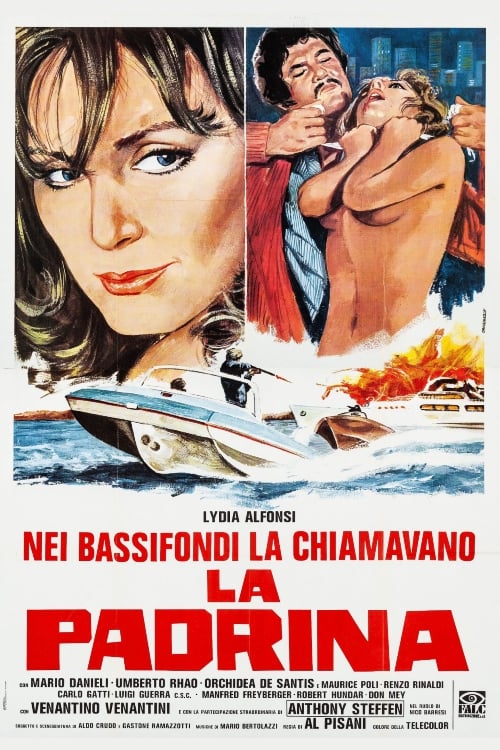
1973
1986
2022
No reviews yet. Be the first to share your thoughts on this movie!
Use the rating form above to leave a star rating and optional review.