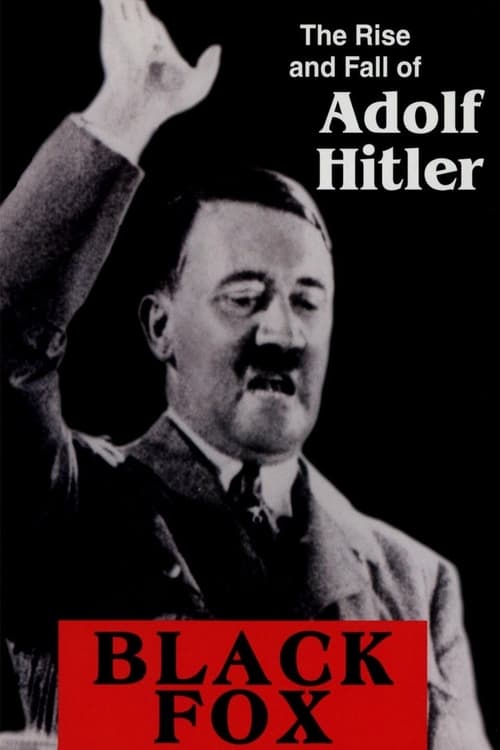
Black Fox: The Rise and Fall of Adolf Hitler
1962
No user ratings available yet
Representation score: 5.0 out of 10
Representation Score
Good
1989
Director
Frédéric Rossif
Runtime
180 minutes
Average Rating
No ratings yetNew Showbiz Analysis
Frédéric Rossif’s documentary provides a lucid and frightening reconstruction of the Second World War. It avoids 'great man' history by focusing on the systemic mechanics of persecution and the pursuit of international justice. The film's greatest strength is its commitment to documenting the victims of state-sponsored violence. By utilizing unpublished archives, it restores visibility to those targeted by the Nazi regime, particularly regarding race and disability. However, the documentary remains tethered to the masculine-coded structures of the era. It lacks a focus on LGBTQ+ identities and does not actively challenge the gender hierarchies present in the historical footage.
Category Breakdown
The film focuses on the documented victims of racial and religious purges. While LGBTQ+ persecution was part of the era, the archival selection does not center on LGBTQ+ identities as a primary narrative pillar.
The documentary reflects a period dominated by male political and military leaders. It depicts the systemic impact of war but does not actively challenge gender hierarchies through character development.
The film excels by centering underrepresented identities through unpublished archival footage. It provides visibility to Jewish, Roma, and Sinti populations, restoring ability to act to those historically erased by propaganda.
The work critiques ultra-nationalism and the corruption of Western institutional power. It promotes universal human rights by documenting the 'Final Solution' and the subsequent legal accountability of the Nuremberg Trials.
Significant visibility is given to the victims of the T4 program. The film highlights the intersection of medicalized eugenics and systemic violence, ensuring these victims are recognized as central subjects.
Present on Screen
Limited or Absent
Official Synopsis
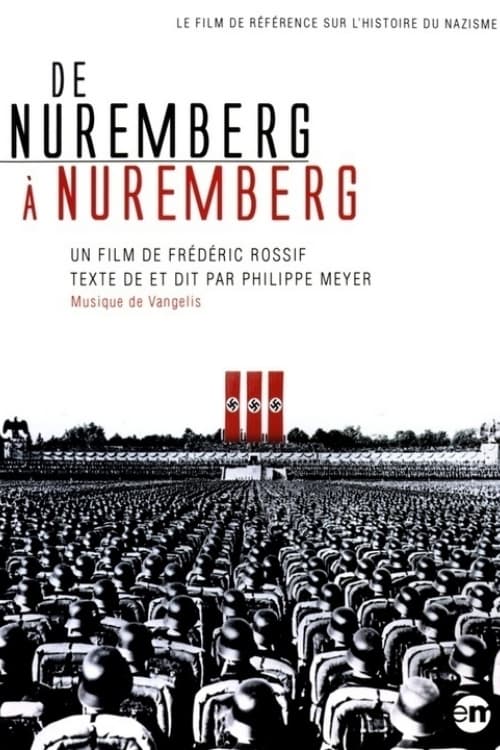
Frédéric Rossif and Philippe Meyer draw the terrible fresco of the Second World War of the rise of Hitler and the Nazi party until his ultimate defeat (1933-1945). While carefully describing the sequence of events, they go back to the genesis of fascism, and the picture they draw from this first half of the twentieth century is both lucid and frightening. A page of history illustrated by a large number of unpublished documents.
1962
1935
1974
2017

1953
2022
1977
2017
No reviews yet. Be the first to share your thoughts on this movie!
Use the rating form above to leave a star rating and optional review.