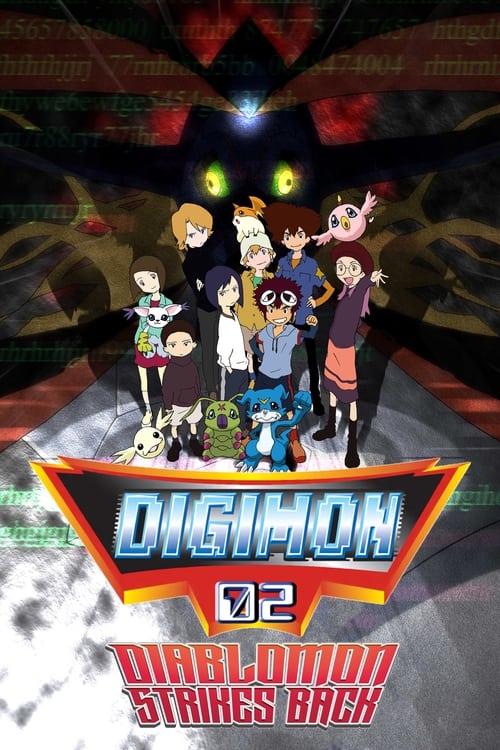
Digimon Adventure 02: Diablomon Strikes Back
2001
No user ratings available yet
Diversity score: 4.2 out of 10
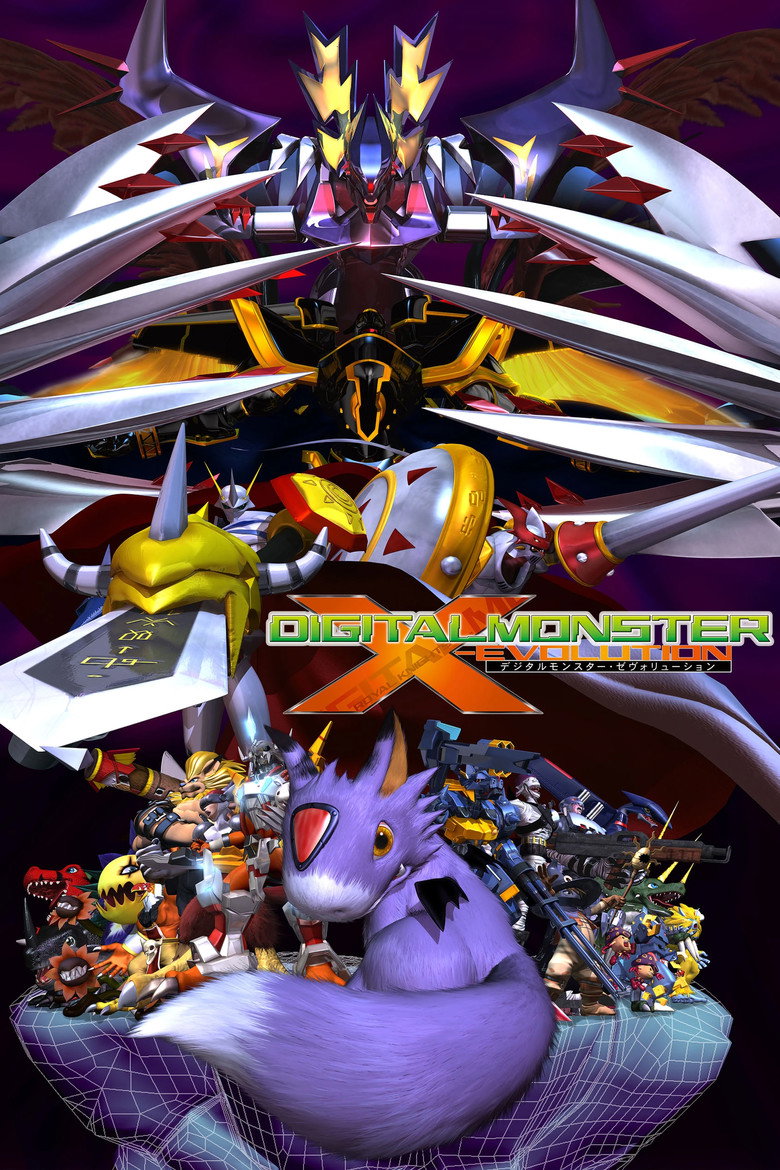
2005
TV-PGDirector
Hiroyuki Kakudou
Runtime
78 minutes
Average Rating
No ratings yetSynopsis
The Digital World is becoming so overpopulated that the super computer Yggdrasill who governs the Digital World can no longer handle it. Its solution is Project Ark: to wipe out most of inhabitants with the X Program. Yggdrasill chooses a very small percentage to be moved to a new Digital World and then proceeds to destroy the old one. Some Digimon who were not chosen survive anyway, and they move to the new world with a rare gift known as the X Antibody; this antibody changes their appearance and makes them more powerful, while at the same time making them immune to the X Program. No longer in control, Yggdrasill uses the Royal Knights to destroy these X-Digimon, who are outcasts in the new Digital World.
Overall Score
Limited
Category Breakdown
LGBTQ+ Representation
The film focuses on the bonds between children and digital entities. There is no evidence of non-cisnormative identities or same-sex intimacy within the narrative.
Gender Representation
A balanced ensemble of male and female children drives the story. While agency is distributed across the group, the film adheres to standard adventure tropes of its era.
Racial & Ethnic Diversity
Characters are defined by species and roles rather than ethnic markers. The cast follows mid-2000s anime aesthetic conventions without significant visible intersectional variety.
Religious & Cultural Diversity
The story offers a critique of institutional authority through Yggdrasill's systemic purge. It frames marginalized outcasts fighting against state-sanctioned cleansing as a central conflict.
Disability Representation
The narrative centers on digital evolution rather than physical or neurodivergent experiences. There is no evidence of characters with disabilities being portrayed with agency.
Strengths
Areas for Improvement
AI Analysis
Digimon X-Evolution functions primarily as a genre-driven adventure that prioritizes systemic conflict over character-driven identity politics. While it lacks meaningful representation for LGBTQ+, racial, or disabled groups, it finds depth in its political subtext. The film's strength lies in its deconstruction of authority. By framing a governing supercomputer as an oppressive force, the story moves beyond simple heroics to explore themes of institutional corruption and the survival of the marginalized. However, the lack of intersectional depth and the reliance on traditional anime tropes prevent a higher score. The characters serve the plot's evolutionary mechanics more than they serve as diverse human archetypes.
No reviews yet. Be the first to share your thoughts on this movie!
Use the rating form above to leave a star rating and optional review.