Crazy Cruise
1942
No user ratings available yet
Representation score: 0.8 out of 10
Representation Score
Minimal
1939
ApprovedDirector
Tex Avery
Runtime
7 minutes
Average Rating
No ratings yetNew Showbiz Analysis
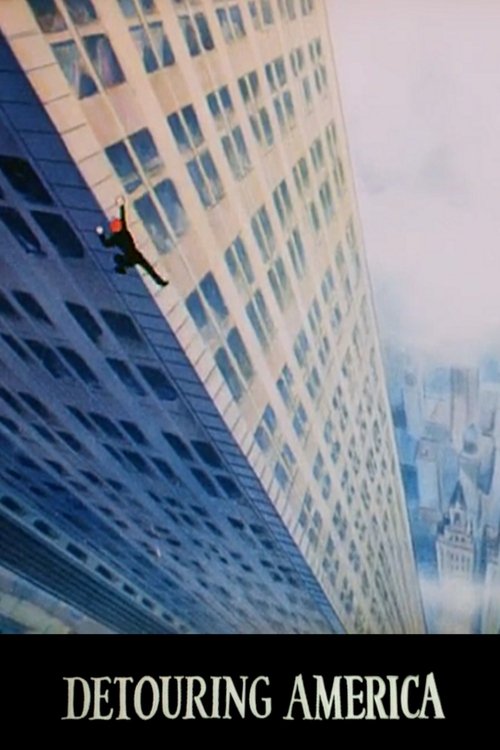
Tex Avery’s 1939 short is a historical example of early American animation, emphasizing rapid-fire humor and traditional archetypes over social complexity. While it aims to provide a comedic tour of the United States, its content is deeply rooted in the era's conventions. The film heavily relies on established caricatures, especially regarding Indigenous peoples and frontier figures. This approach favors broad, stereotypical humor over nuanced or actively leading characterizations of diverse groups. Ultimately, the work celebrates American landscape and identity through a narrow, mid-century lens. It lacks the layered representation found in modern media.
Category Breakdown
The film does not include any LGBTQ+ characters or narratives, sticking closely to the social norms and assumptions of 1939.
The story focuses on traditionally masculine roles like prospectors and cowboys. There is no depiction of women taking control or challenging gender hierarchies.
The film features Sioux Indians and Alaskan settings, but these depictions likely rely on outdated stereotypes typical of the time. The travelogue format reflects the era's tendency towards stereotypical non-Anglo-Saxon representations.
The short highlights American regionalism and geography through various oddities. It upholds a traditional view of national identity without critiquing institutions or cultures.
There are no characters with visible or invisible disabilities. The film does not provide meaningful or non-stereotypical portrayals of neurodivergence or physical disabilities.
Present on Screen
Limited or Absent
Official Synopsis
A humorous travelogue chronicling various oddities across the United States.
1942

1941
1938
1939
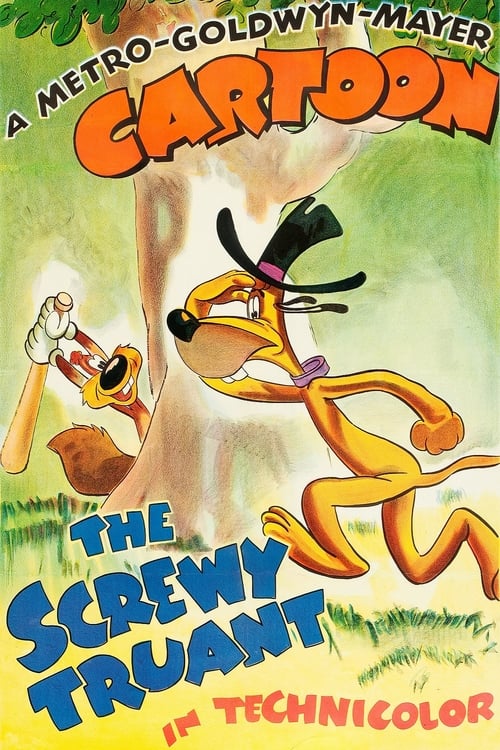
1945
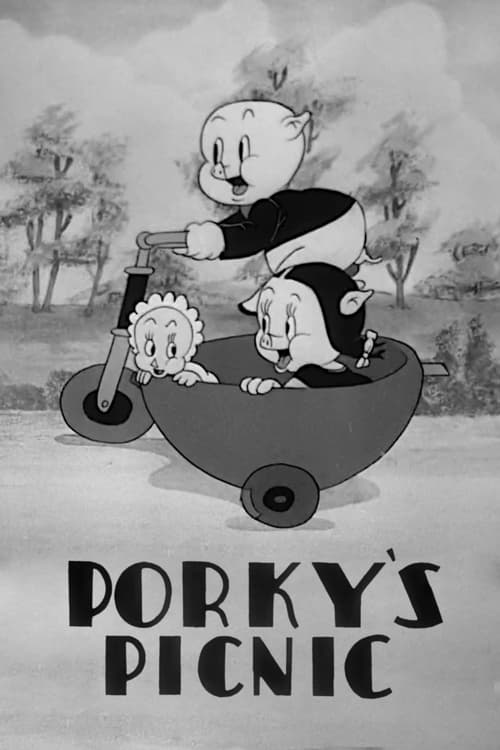
1939
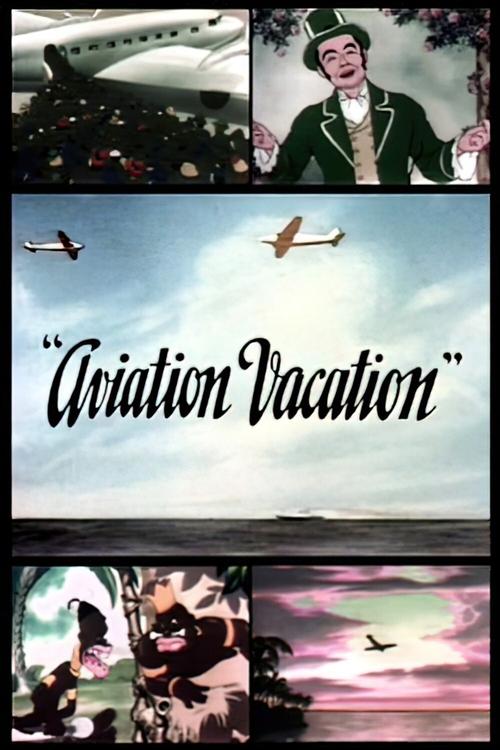
1941
1942
No reviews yet. Be the first to share your thoughts on this movie!
Use the rating form above to leave a star rating and optional review.