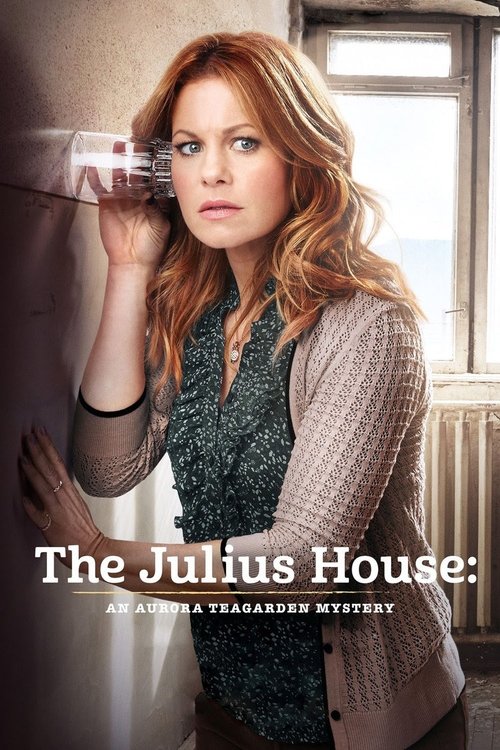
The Julius House: An Aurora Teagarden Mystery
2016
No user ratings available yet
Representation score: 3.1 out of 10
Representation Score
Fair
2018
TV-GDirector
Terry Ingram
Runtime
83 minutes
Average Rating
No ratings yetNew Showbiz Analysis
The film operates as a classic cozy mystery that prioritizes narrative stability and community cohesion. While it features a capable female protagonist who drives the investigation, the storytelling remains rooted in traditional structures. The production lacks intentional engagement with diverse identities or sociopolitical critique. It relies on established social hierarchies and a homogeneous cast, offering a sense of comfort rather than progressive disruption. Ultimately, the work functions as a stabilizing narrative. It reinforces conventional social norms and lacks the diversity required to reflect a multicultural or inclusive reality.
Category Breakdown
The film does not include any visible LGBTQ+ characters or storylines. Romantic tension revolves around a traditional heterosexual couple, reinforcing conventional relationship models without exploring queer perspectives.
Aurora Teagarden offers meaningful representation through her intellectual leadership and authority. However, the story follows typical genre clichés and does not actively challenge traditional gender roles.
The cast is primarily made up of white, middle-class individuals. There are no significant minority characters with substantial influence, reinforcing an Anglo-centric social norm.
The narrative promotes communal order and respects traditional social fabrics. It lacks deconstruction of Western values, instead aligning with conventional expectations regarding family and authority figures.
The film does not focus on neurodivergence, physical disabilities, or mental health issues. Characters operate within a standard able-bodied paradigm without incorporating disability-centric narratives.
Present on Screen
Limited or Absent
Official Synopsis
Crime-solving librarian Aurora Teagarden leaps headfirst into Lawrenceton’s latest murder investigation when her nephew Phillip and his college roommate go missing after the roommate’s girlfriend is found dead. Enlisting the help of her Real Murders pals, and the handsome college professor Nick Miller who just moved in across the street from her, Roe uncovers a kidnapping plot gone awry.
2016

2015
2017

2018
2019

2020

2021
2023
No reviews yet. Be the first to share your thoughts on this movie!
Use the rating form above to leave a star rating and optional review.