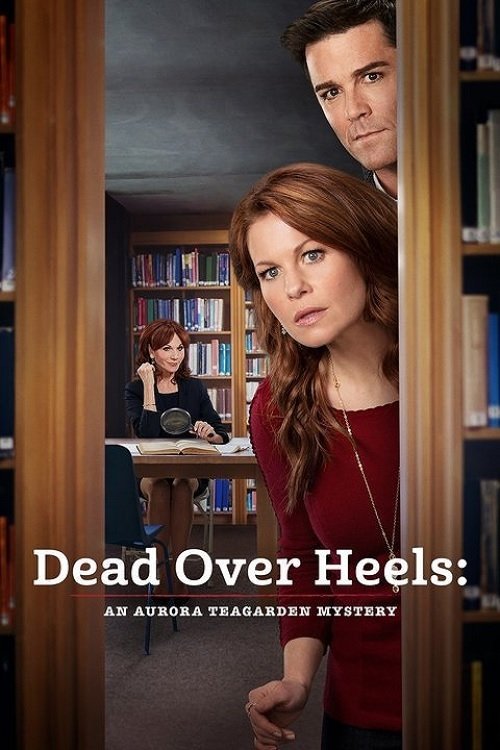
Dead Over Heels: An Aurora Teagarden Mystery
2017
No user ratings available yet
Representation score: 1.8 out of 10

Representation Score
Minimal
2018
TV-GDirector
Martin Wood
Runtime
85 minutes
Average Rating
No ratings yetNew Showbiz Analysis
Last Scene Alive operates as a traditional genre piece that prioritizes narrative familiarity and community stability. While the protagonist showcases strong women's ability to drive the story, the film lacks the multi-layered complexity needed for a higher score. The production adheres to established social hierarchies and conventional cultural norms. It centers on a localized, homogeneous social structure rather than progressive social disruption. Ultimately, the film restores order within a traditional framework without challenging systemic norms or providing diverse perspectives.
Category Breakdown
The film does not include any LGBTQ+ characters or explore non-straight relationships. The romantic subplots and interpersonal dynamics follow traditional heterosexual norms.
Aurora Teagarden is portrayed as a strong professional with significant intellectual authority. She plays a leading role in driving the plot and conducting investigations.
The casting is predominantly homogeneous, fitting the cozy mystery genre. The Lawrenceton community lacks diverse ethnic representation.
The narrative emphasizes traditional Western values, focusing on community stability and legal order. It does not critically examine religion or Western institutions.
The film does not feature any characters with visible or invisible disabilities. The plot does not use neurodivergence or physical disability for character development.
Present on Screen
Limited or Absent
Official Synopsis
There is excitement in the air when a Hollywood crew comes to Lawrenceton to film a movie about the town’s sleuthy librarian, Aurora Teagarden. However, when the film’s leading lady is found murdered in her dressing room, Aurora enlists her Real Murders Club members to help gather clues. At the same time, she experiences mounting concern that Aida is becoming attracted to the film’s director who, like everyone else working on the set that day, is considered a suspect. And this time around Martin is especially worried about Aurora’s safety after learning that the film’s screenwriter, who has a romantic history with her, emerges as the prime suspect.
2017
2015
2016
2016
2020

2021

2019
2021
No reviews yet. Be the first to share your thoughts on this movie!
Use the rating form above to leave a star rating and optional review.