
Umizaru 3: The Last Message
2010
No user ratings available yet
Representation score: 0.7 out of 10
Representation Score
Minimal
2012
Director
Eiichiro Hasumi
Runtime
116 minutes
Average Rating
No ratings yetNew Showbiz Analysis
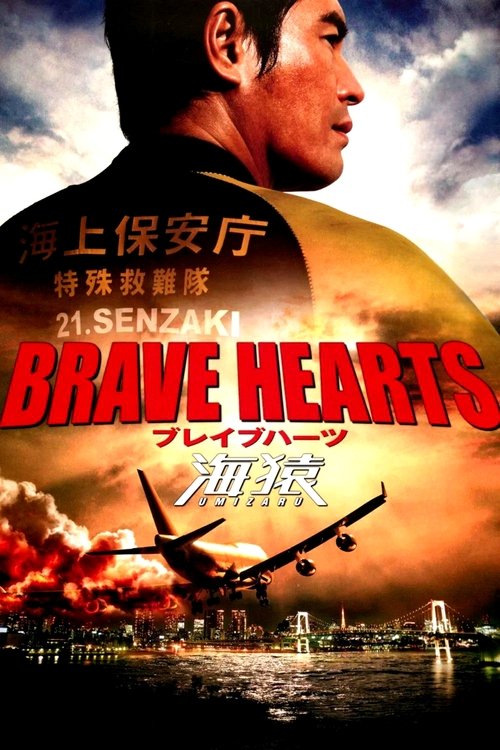
Brave Hearts: Umizaru is a traditional procedural drama that prioritizes institutional stability and professional hierarchy. The narrative architecture is built around values of duty and patriotism, aligning with conservative storytelling clichés. The film lacks depth in representing diverse perspectives, focusing instead on a homogeneous portrayal of heroism within a specific cultural context.
Category Breakdown
The film focuses on the camaraderie of a male-dominated maritime rescue team. It does not explore queer identities or non-binary gender roles.
The story centers on a male-dominated professional hierarchy. Female characters like Mika have limited influence on the main plot.
The film features a homogeneous cast reflecting a culturally uniform depiction of Japanese society. It lacks efforts to present a multi-ethnic or diverse cast.
The story emphasizes traditional institutionalism and strict adherence to protocol. It reinforces the idea that stability comes from respecting established authority and societal roles.
The film does not include characters with visible or invisible disabilities. The focus remains on the physical skills and technical expertise of the rescue teams.
Present on Screen
Limited or Absent
Official Synopsis
Mika is a flight attendant on board an airplane scheduled to land at Haneda Airport. On the way to the airport the airplane's engine starts to burn. In order to save the 346 people on board the airplane, sea marshall Daisuke Senzaki and his team are called into action ...
2010

2019

2006
2012

2004

1970

2020

2021
No reviews yet. Be the first to share your thoughts on this movie!
Use the rating form above to leave a star rating and optional review.