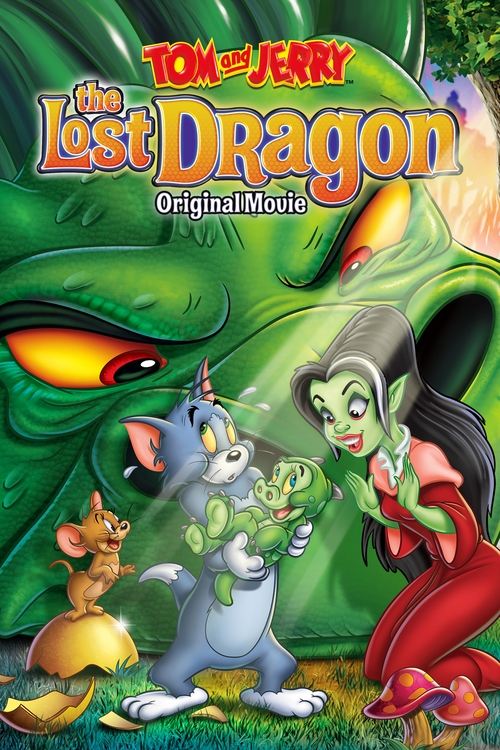
Tom and Jerry: The Lost Dragon
2014
No user ratings available yet
Diversity score: 3.1 out of 10
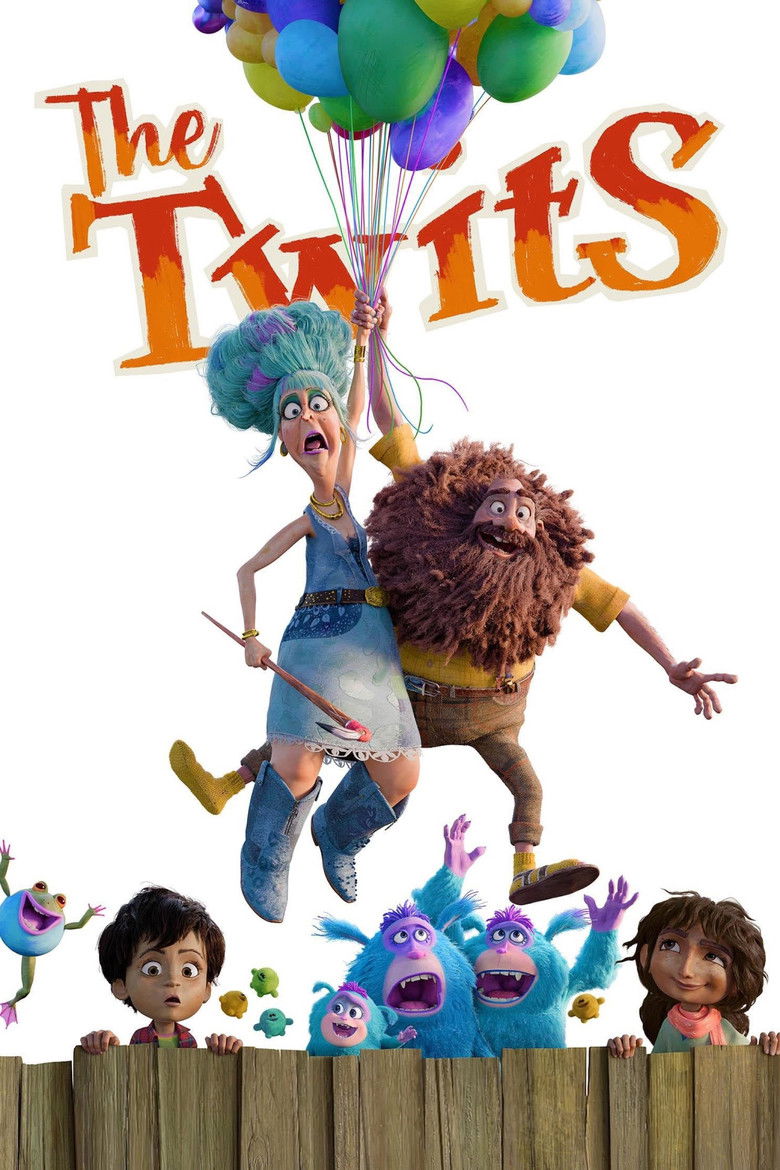
2025
PGDirector
Phil Johnston
Runtime
99 minutes
Average Rating
No ratings yetSynopsis
When the meanest, nastiest villains pull a trick to take over their town, two brave children team up with a family of magical animals to bring them down.
Overall Score
Good
Category Breakdown
LGBTQ+ Representation
The film avoids centering specific LGBTQ+ identities but disrupts heteronormative domesticity. By focusing on orphans and magical animal companions rather than a nuclear family, it explores non-traditional kinship structures.
Gender Representation
Female agency is central to the film's emotional weight, supported by a prominent female voice cast. The narrative also subverts traditional hierarchies by depicting the primary antagonists as a dysfunctional, incompetent duo.
Racial & Ethnic Diversity
The film moves away from the original text's Anglo-centric lens by featuring Beesha, a 12-year-old Indian-American protagonist. This shift provides significant intersectional visibility through the lead character.
Religious & Cultural Diversity
The story explores themes of systemic marginalization through the experiences of orphans struggling against a world that views them as contaminated. It prioritizes the agency of marginalized characters over established social orders.
Disability Representation
There are no specific depictions of physical or neurodivergent disabilities present in the narrative.
Strengths
Areas for Improvement
AI Analysis
The film marks a progressive evolution from Roald Dahl's original text by centering a diverse protagonist. By introducing Beesha, an Indian-American girl, the story expands its demographic scope and moves beyond traditional literary boundaries. The narrative also challenges social structures. Instead of a standard family comedy, it focuses on orphans and magical animals navigating a world of systemic instability and corrupt authority figures. While specific LGBTQ+ identities are not explicitly detailed, the film's emphasis on non-traditional kinship and the disruption of domestic norms provides a modern, inclusive framework for contemporary animation.
2014
2013
2015

2013
1997
2023
2009
2026
2017
2016
No reviews yet. Be the first to share your thoughts on this movie!
Use the rating form above to leave a star rating and optional review.