
Drei Väter sind besser als keiner
2016
No user ratings available yet
Representation score: 2.7 out of 10
Representation Score
Limited
2012
Director
Ingo Rasper
Runtime
93 minutes
Average Rating
No ratings yetNew Showbiz Analysis
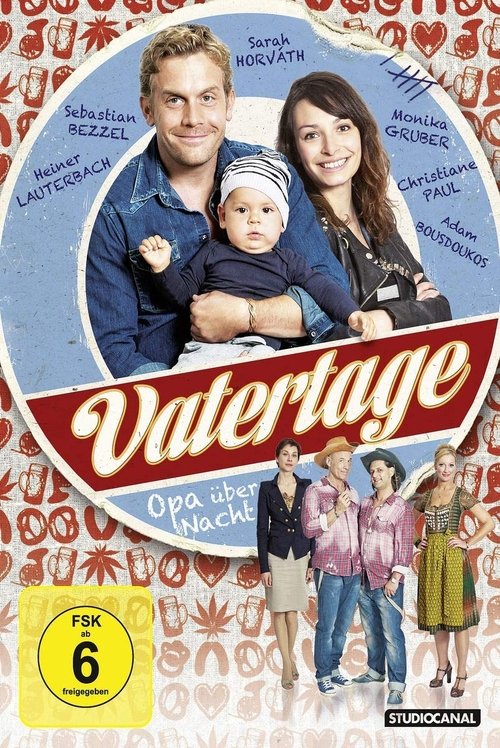
Vatertage - Opa über Nacht is a conventional domestic comedy that emphasizes traditional familial structures. The narrative centers on the biological connection between a male protagonist and his unexpected descendants, reinforcing standard social norms. The film lacks complexity in its portrayal of diverse identities, focusing instead on a culturally homogeneous German cast and a traditional family dynamic. While the female lead initiates the central conflict, the story remains a localized exploration of kinship. Overall, the production adheres to traditional storytelling formulas within the family genre, offering limited disruption to established social hierarchies or diverse identity representations.
Category Breakdown
The film focuses on biological lineage and does not include any same-sex intimacy or non-cisgender identities.
Dina plays a significant role in driving the plot, while Basti's transition into a paternal role highlights traditional male character development.
The setting and characters are described as culturally homogeneous, reflecting a typical Western European demographic without multi-ethnic representation.
The story explores unplanned parenthood through a traditional family-centric lens, emphasizing familial duty.
There are no disabilities, visible or otherwise, that play a central role in the character arcs or plot progression.
Present on Screen
Limited or Absent
Official Synopsis
The 37-year-old Munich survivor and rickshaw driver Basti struck by lightning than one day unexpectedly the 17-year-old Dina from Bitterfeld turns up on his doorstep and quite credible claims to be his daughter. Moreover, they presented him her baby Paul and asks Basti, fearing further turmoil, not only attention, but also money.
2016

2011
1991
2022

2012

2009
2019

2012
No reviews yet. Be the first to share your thoughts on this movie!
Use the rating form above to leave a star rating and optional review.