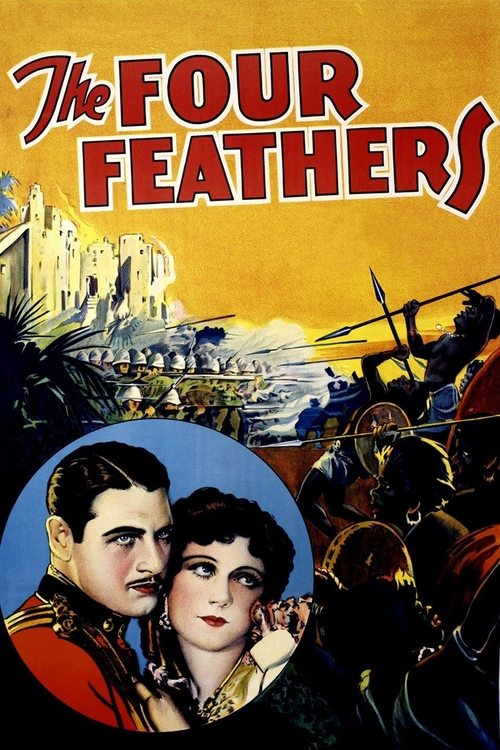
The Four Feathers
1929
No user ratings available yet
Representation score: 0.3 out of 10
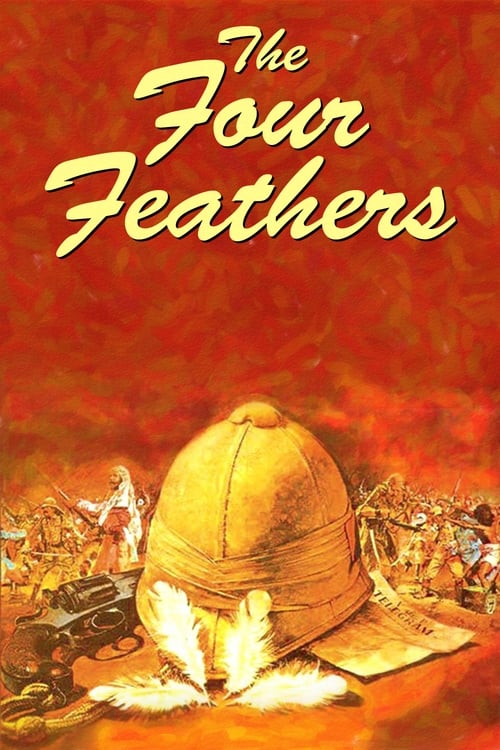
Representation Score
Minimal
1978
Not RatedDirector
Don Sharp
Runtime
100 minutes
Average Rating
No ratings yetNew Showbiz Analysis
This production is a traditionalist adventure drama that adheres to the social hierarchies of the late 1970s. It explores the rigid codes of honor within the British colonial context without challenging the power dynamics of the time. The film prioritizes a straightforward narrative focused on individual honor within a strict social order. It lacks complexity in representing diverse identities and social issues, favoring a narrow perspective aligned with the dominant colonial viewpoint. Ultimately, the narrative reinforces historical hierarchies and offers a moral framework centered on duty and Western hegemony, with limited representation outside the dominant colonial perspective.
Category Breakdown
The film strictly focuses on heterosexual relationships, with the central emotional arc revolving around the romance between Harry Faversham and Lady Isabel Vane.
Female characters are mostly confined to domestic or supportive roles. Lady Isabel Vane, while providing emotional support, primarily serves as a motivator for the male protagonist.
The film reinforces a colonial dichotomy by portraying Mahdist fighters as the main antagonists and maintaining a homogeneous depiction of the British officer class.
The story upholds Western imperial institutions and British military codes without critiquing colonialism. It emphasizes redemption within a Western social framework.
The film does not engage with neurodivergence or physical disabilities as central themes or narrative elements.
Present on Screen
Limited or Absent
Official Synopsis
The fifth filming of the adventure classic about a British soldier in the 1880s who fights to regain his honor after being given four white feathers, symbols of cowardice.
1929
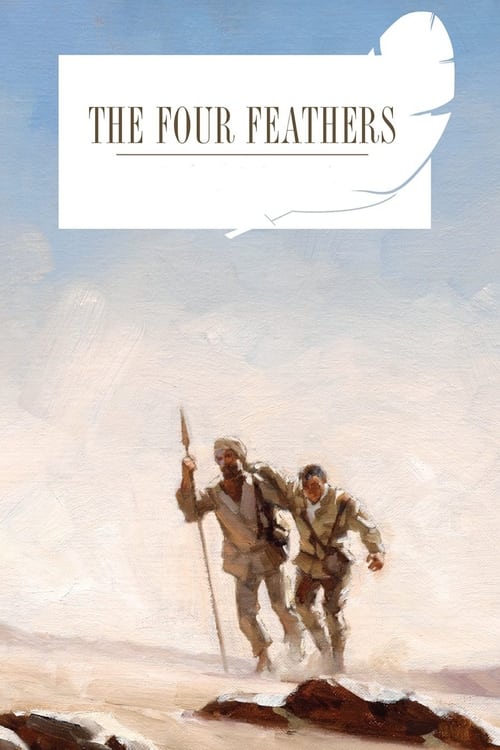
1939
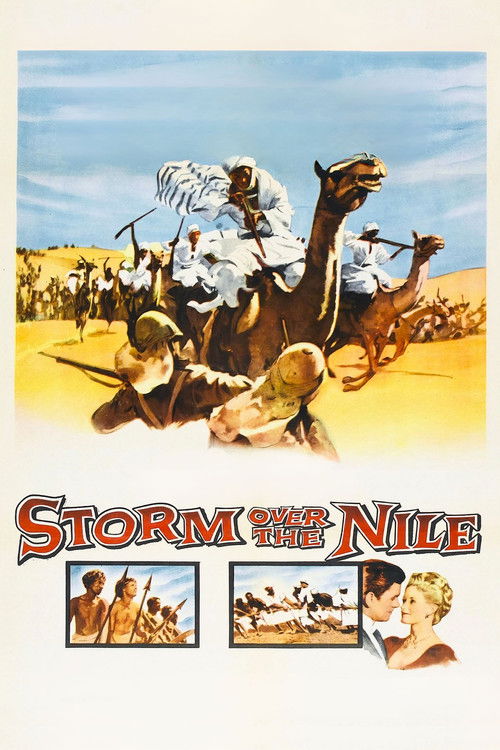
1955
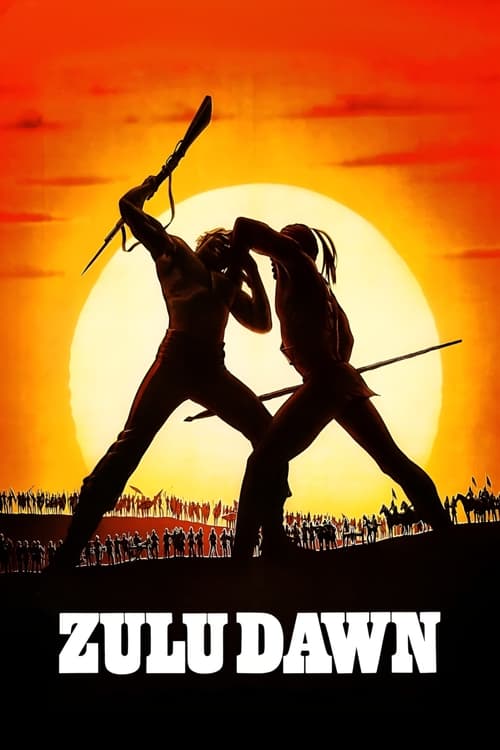
1979
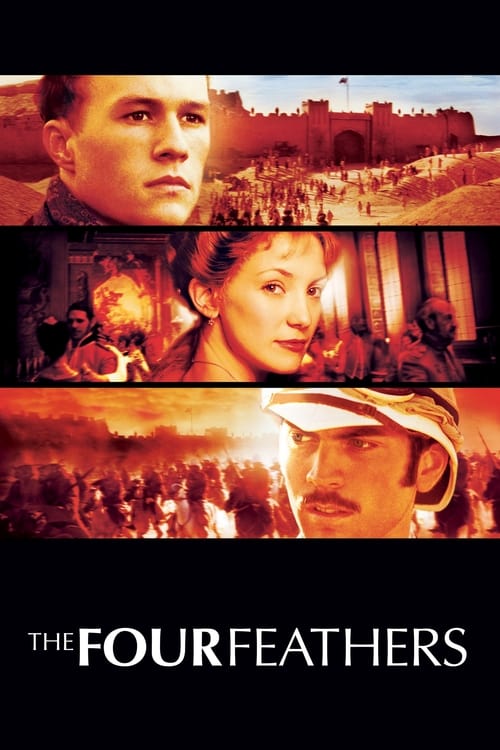
2002

1966
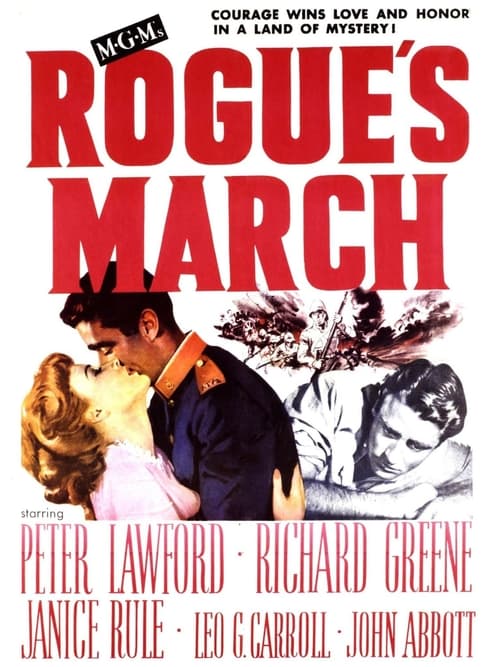
1953
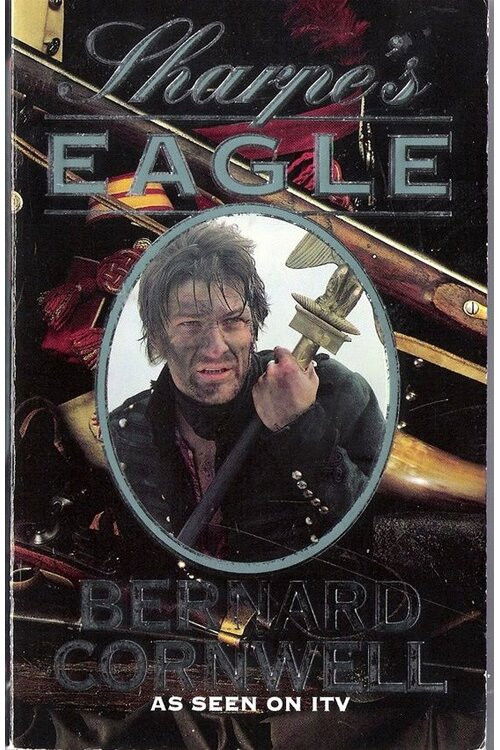
1993
No reviews yet. Be the first to share your thoughts on this movie!
Use the rating form above to leave a star rating and optional review.