
The Cyclone
1996
No user ratings available yet
Representation score: 2.5 out of 10
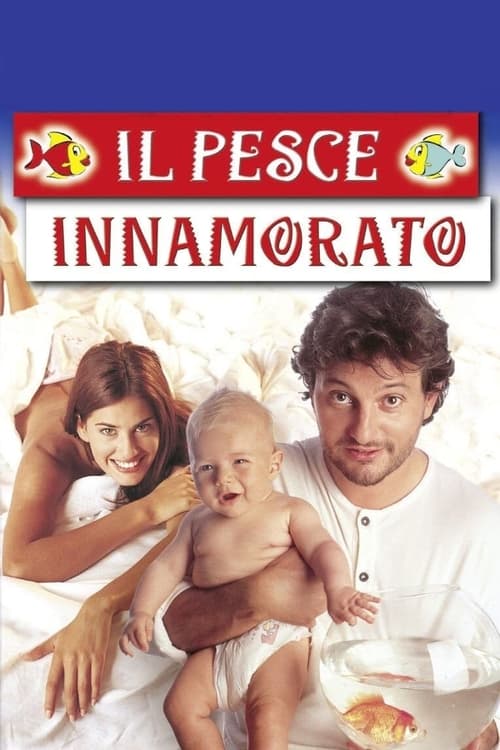
Representation Score
Limited
1999
Director
Leonardo Pieraccioni
Runtime
86 minutes
Average Rating
No ratings yetNew Showbiz Analysis
A Fish in Love is a quintessential example of late-20th-century regional commercial cinema. It prioritizes lighthearted, character-driven narratives that reinforce conventional social structures rather than disrupting them. The film lacks intentionality regarding diverse identities. It focuses on a localized, homogeneous, and conventional portrayal of romantic pursuit, staying within established social hierarchies. Ultimately, the work functions as a traditional romantic comedy that avoids challenging Western-centric norms or exploring diverse lived experiences.
Category Breakdown
The film adheres to a strictly heterosexual and cisgender framework. There is no evidence of same-sex relationships or non-binary gender identities within the narrative.
The story follows traditional romantic comedy clichés where the male protagonist's journey drives the plot. Female characters serve primarily as objects of desire or inspiration.
The production reflects the demographic homogeneity of mainstream European cinema from the late 1990s. The setting and cast center on a white, Mediterranean social context.
The narrative focuses on individualistic romanticism and personal fulfillment. It treats traditional social structures, such as marriage, as a backdrop rather than a subject for critique.
There is no discernible representation of physical or invisible disabilities. Character eccentricities are treated as personality traits rather than explorations of neurodivergence or disability.
Present on Screen
Limited or Absent
Official Synopsis
Carpenter Arturo becomes a literary sensation when the children's stories he writes in his spare time get published, but he comes to resent success and the spotlight that comes with it. During a press tour he falls in love with beautiful married woman, Matilde.
1996

2000

2007
2003
2002
1992

2003
1994
No reviews yet. Be the first to share your thoughts on this movie!
Use the rating form above to leave a star rating and optional review.