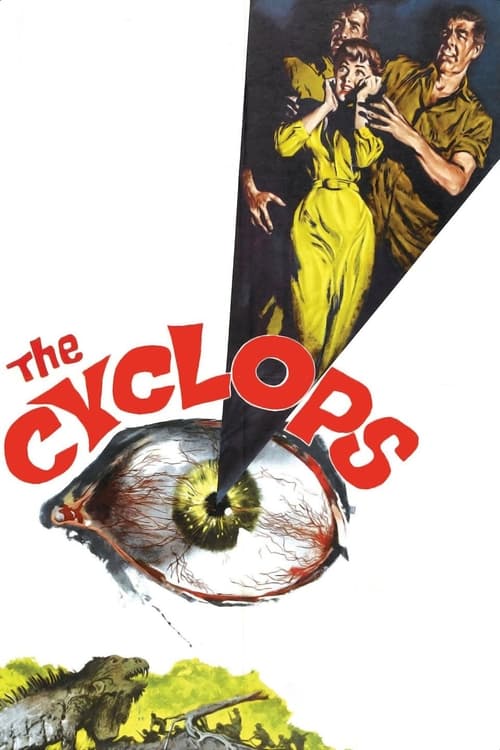
The Cyclops
1957
No user ratings available yet
Representation score: 1.9 out of 10
Representation Score
Minimal
1956
ApprovedDirector
Leslie Norman
Runtime
81 minutes
Average Rating
No ratings yetNew Showbiz Analysis
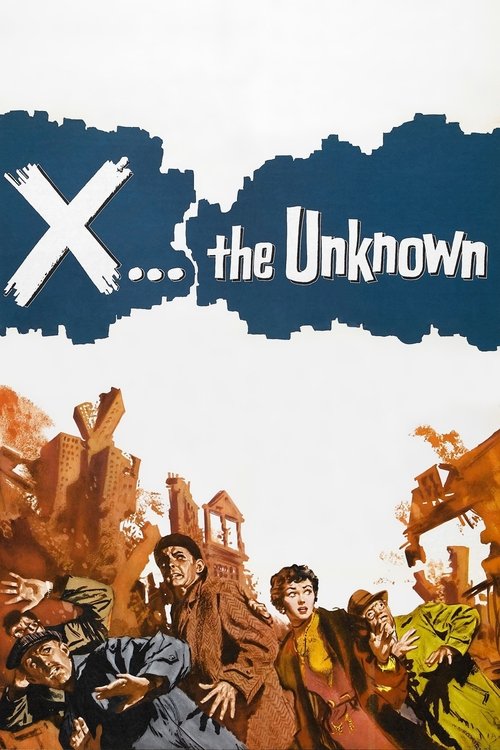
X: The Unknown is a classic science fiction film that adheres to the social norms of the mid-20th century. It upholds traditional hierarchies and established clichés of male competence, maintaining a homogeneous social environment. The film offers little in the way of identity-based subversion or diverse representation.
Category Breakdown
The film does not include any visible LGBTQ+ characters or non-cisgender identities. It follows a strictly heterosexual framework typical of 1950s British cinema.
The story is driven by a male-dominated hierarchy of scientists and investigators. Female characters play supporting roles that do not challenge the central authority of the male protagonists.
The cast is mainly white and Anglo-Saxon, reflecting the production context of the 1950s. The Scottish village and research facility are shown as homogeneous environments.
The narrative highlights national security and scientific progress within a traditional Western framework. It reinforces the stability of military and scientific institutions without challenging them.
There is no significant depiction of neurodivergence or physical disability. Characters are portrayed primarily based on their professional roles.
Present on Screen
Limited or Absent
Official Synopsis
Army radiation experiments awaken a subterranean monster from a fissure that feeds on energy and proceeds to terrorise a remote Scottish village. An American research scientist at a nearby nuclear plant joins with a British investigator to discover why the victims were radioactively burned and why, shortly thereafter, a series of radiation-related incidents are occurring in an ever-growing straight line away from the fissure.
1957
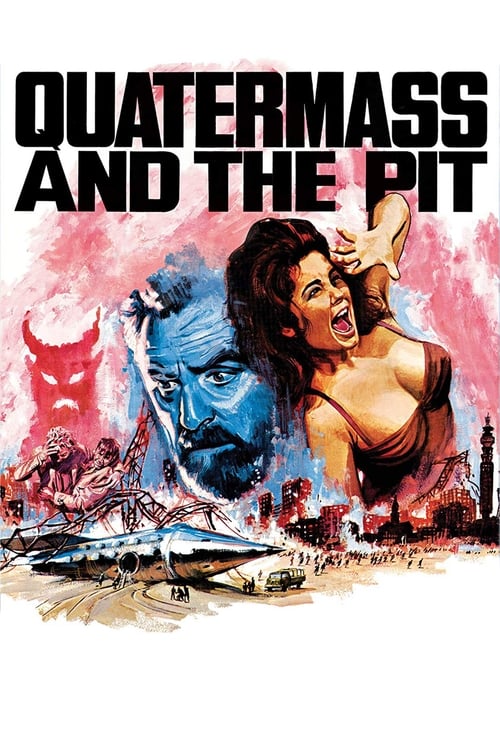
1967

1958
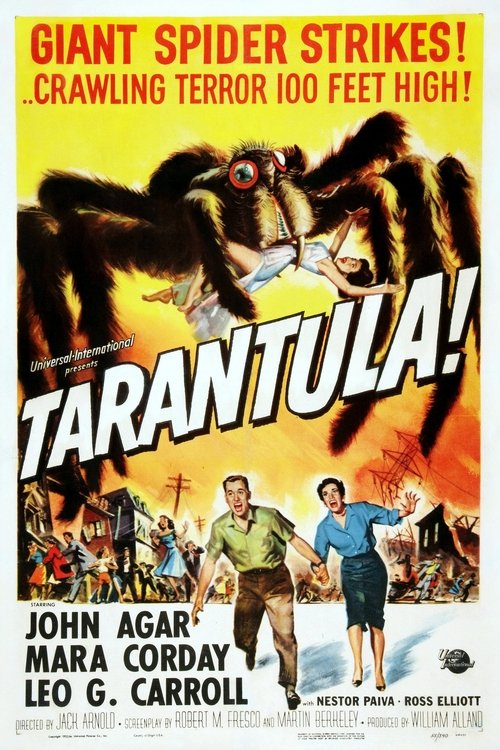
1955

1955
1955
1961

1954
No reviews yet. Be the first to share your thoughts on this movie!
Use the rating form above to leave a star rating and optional review.