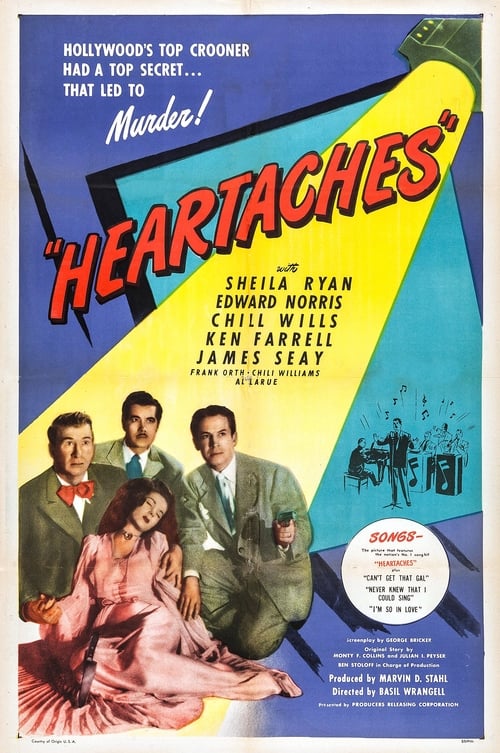
Heartaches
1947
No user ratings available yet
Diversity score: 2.1 out of 10
1938
ApprovedDirector
Lewis D. Collins
Runtime
66 minutes
Average Rating
No ratings yetSynopsis
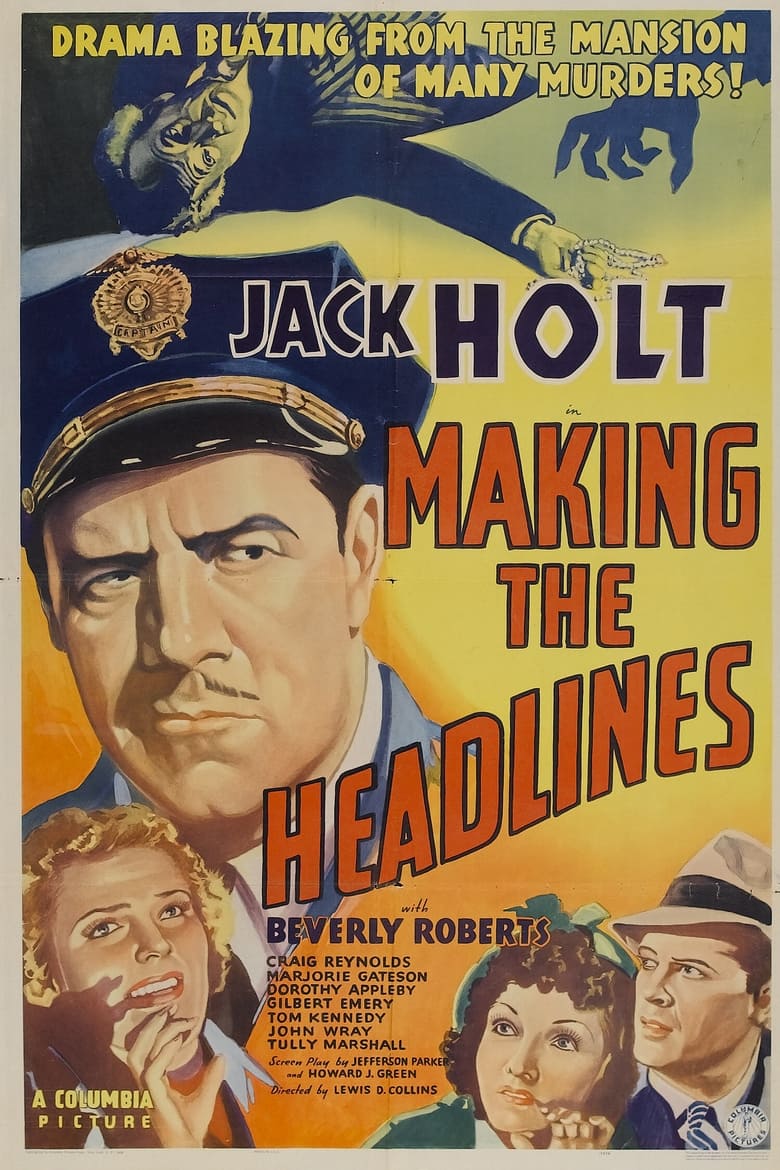
Angry, because he is making too many headlines with his gang-busting activities, the police chief transfers Lt. Lewis Nagel to the sleepy suburban town of Fairview, where he is followed by reporter Steve Withers because he knows Nagel will find a story.
Overall Score
Limited
Category Breakdown
LGBTQ+ Representation
The film lacks any evidence of non-cisnormative gender identities or same-sex intimacy. It follows the heteronormative structures typical of 1938 studio productions.
Gender Representation
The plot centers on male archetypes, specifically Lt. Lewis Nagel and reporter Steve Withers. This focus reinforces mid-century gender hierarchies and masculine authority.
Racial & Ethnic Diversity
Set in a sleepy suburban town, the film likely reflects the homogeneous, white-centric social structures of the era. There is no evidence of diverse character arcs.
Religious & Cultural Diversity
The narrative utilizes a standard crime framework that reinforces institutional authority. It focuses on the friction between law enforcement and the press.
Disability Representation
There is no information available regarding the inclusion of characters with physical or neurodivergent disabilities.
Strengths
Areas for Improvement
AI Analysis
Making the Headlines is a conventional 1938 crime drama that adheres strictly to the social and cinematic constraints of its time. The narrative prioritizes established hierarchies, focusing on male-driven investigative agency and institutional law and order. The film lacks intersectional representation, offering no visible evidence of LGBTQ+ identities, racial diversity, or disability inclusion. It functions as a standard genre piece that reinforces the homogeneous demographic norms of the late 1930s.
No reviews yet. Be the first to share your thoughts on this movie!
Use the rating form above to leave a star rating and optional review.