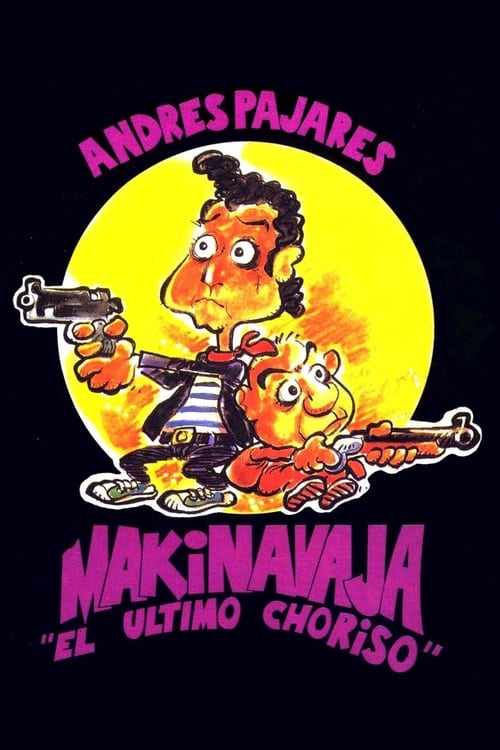
Makinavaja, el último choriso
1992
No user ratings available yet
Diversity score: 5.8 out of 10

1993
Director
Carlos Suárez
Runtime
91 minutes
Average Rating
No ratings yetSynopsis
As soon as he is released from prison, Maki goes to look for his friend Popeye. Together they rescue the grandfather from a dangerous form of "Russian roulette" played in the asylum, and decide to take a vacation at the beach.
Overall Score
Fair
Category Breakdown
LGBTQ+ Representation
The film lacks evidence of LGBTQ+ inclusion. The narrative focuses on male-driven camaraderie and traditional comedic tropes without queer identities.
Gender Representation
The story centers on male agency and the friendship between Maki and Popeye. Women appear to occupy secondary or domestic roles common in 90s comedies.
Racial & Ethnic Diversity
As a Mexican production, the film centers local social realities and linguistic nuances. It disrupts Western hegemony but lacks deep, multi-ethnic character development.
Religious & Cultural Diversity
The film presents a critique of systemic rigidity through comedic rebellion. It prioritizes personal liberation and chaotic agency over traditional social institutions.
Disability Representation
Characters in an asylum suggest themes of mental health or elderly vulnerability. However, these elements may function primarily as absurdist comedic plot devices.
Strengths
Areas for Improvement
AI Analysis
¡Semos peligrosos! is a regional satire that prioritizes a non-Western perspective. By centering Mexican social realities, it offers a departure from Hollywood-centric narratives, though it remains bound by the demographic conventions of its era. The film's strength lies in its cultural grounding and its celebration of anti-social, rule-breaking protagonists. This framing provides a subtle critique of systemic rigidity through the lens of absurdist comedy. However, the work lacks intersectional complexity. It relies heavily on male-driven storytelling and traditional gender dynamics, offering little representation for LGBTQ+ identities or significant female agency.
1992

2013
2012

2019
1987

2022
1966
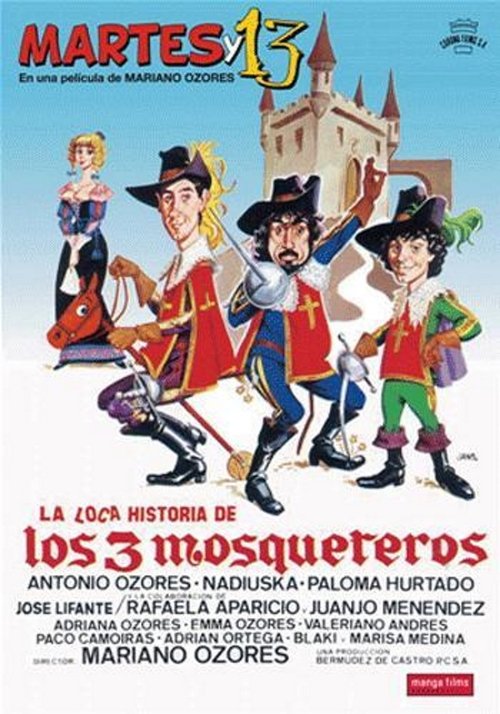
1983
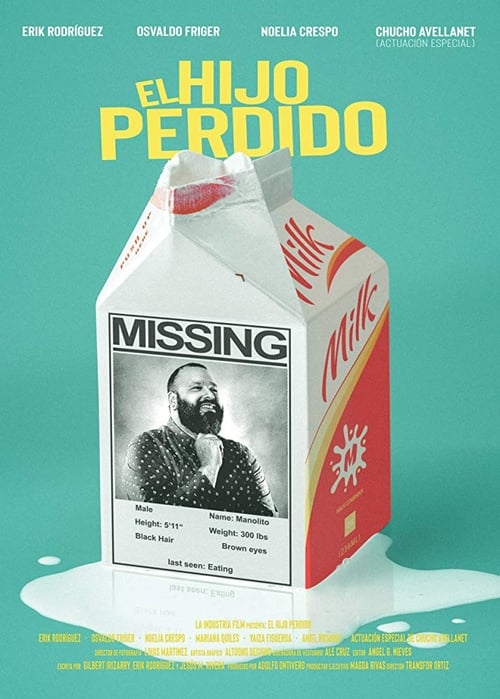
2019

2018

2011
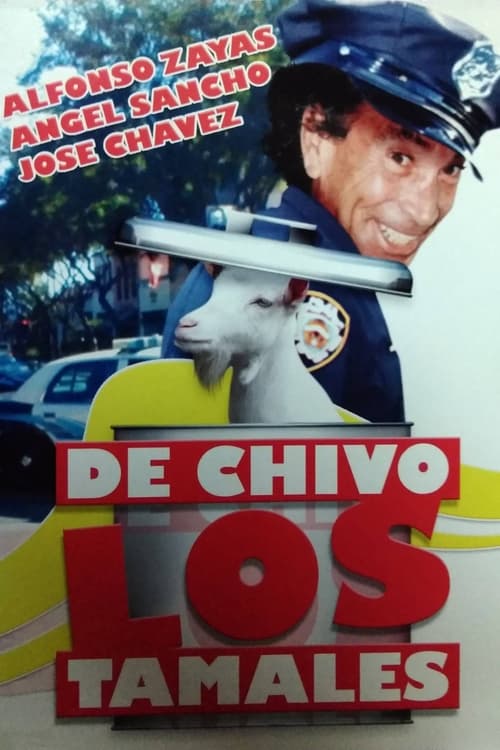
1991
No reviews yet. Be the first to share your thoughts on this movie!
Use the rating form above to leave a star rating and optional review.