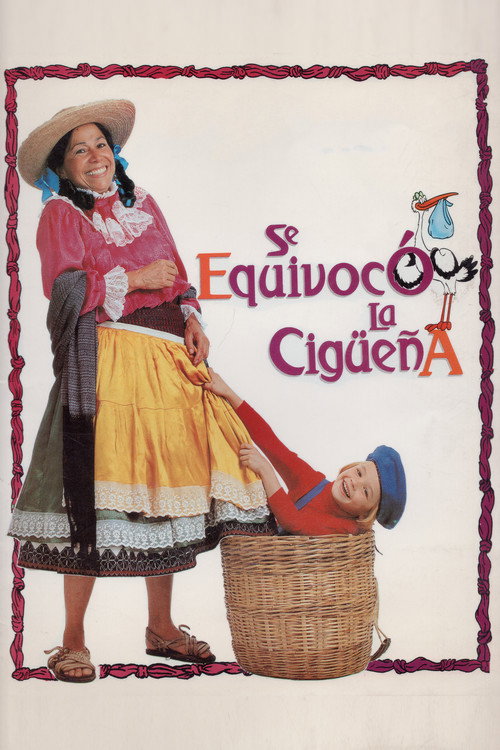
The Stork's Mistake
1993
No user ratings available yet
Diversity score: 6.3 out of 10
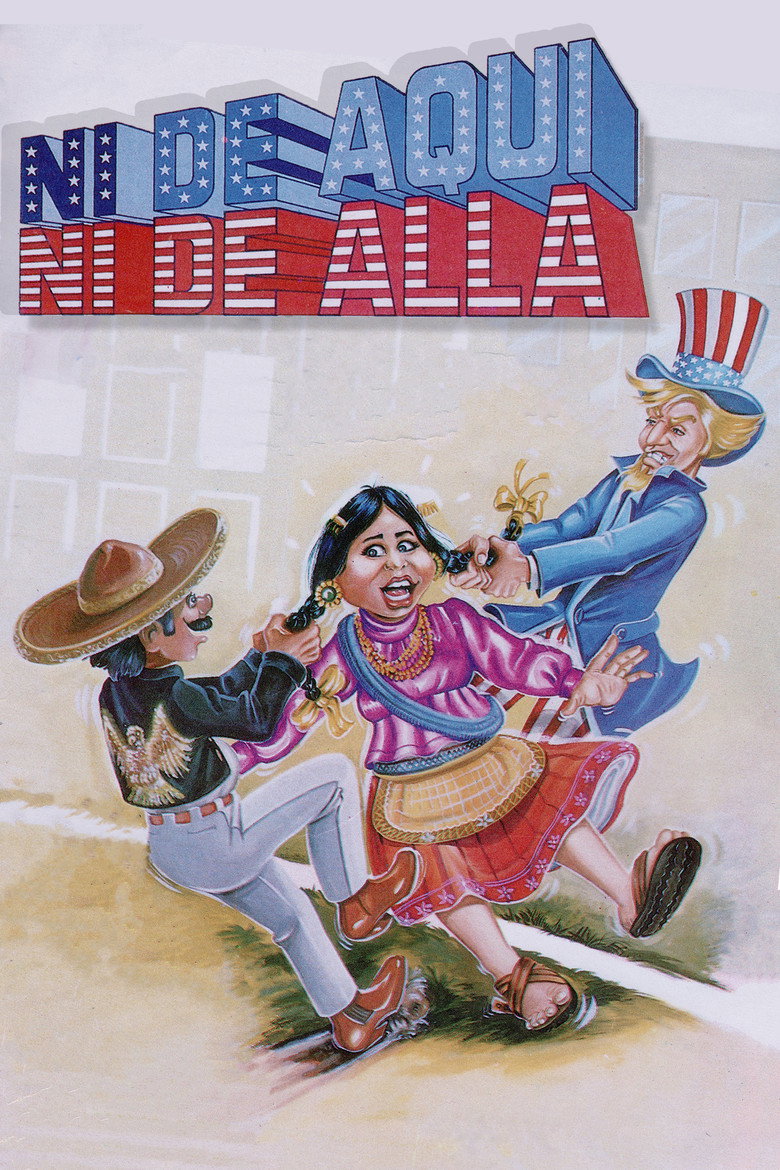
1988
Director
María Elena Velasco
Runtime
90 minutes
Average Rating
No ratings yetSynopsis
This Mexican comedy stars La India Maria, who drives the FBI crazy because they cannot figure out whether she belongs here or there.
Overall Score
Good
Category Breakdown
LGBTQ+ Representation
The film lacks LGBTQ+ characters or narratives addressing non-heteronormative identities. It adheres to the traditional social frameworks common in late-1980s Mexican commercial comedy.
Gender Representation
María serves as the primary narrative driver, positioning an indigenous woman against institutional male authority. Her ability to outmaneuver law enforcement suggests a subversion of traditional gender hierarchies.
Racial & Ethnic Diversity
The film provides significant representation of indigenous Mexican identity. The protagonist explores the liminal space between rural traditions and urban modernity, challenging standard national identity narratives.
Religious & Cultural Diversity
The narrative explores cultural friction by framing the protagonist's outsider status as a source of power. It critiques the rigidity of modern, urbanized, and bureaucratic social structures.
Disability Representation
There is no documented evidence regarding the portrayal of physical or neurodivergent disabilities in this title.
Strengths
Areas for Improvement
AI Analysis
Ni de aquí, ni de allá is a culturally significant comedy that centers an indigenous female perspective. By placing María in conflict with federal authorities, the film uses her perceived 'otherness' to challenge the stability of dominant social norms. The film excels in ethnic representation, using the protagonist to navigate the complexities of post-colonial identity and displacement. This provides a platform for exploring indigenous agency within high-stakes institutional settings. However, the film lacks diversity in other areas, specifically regarding LGBTQ+ identities and disability representation. It remains rooted in the social frameworks of its era.
1993
1984
1983

2018
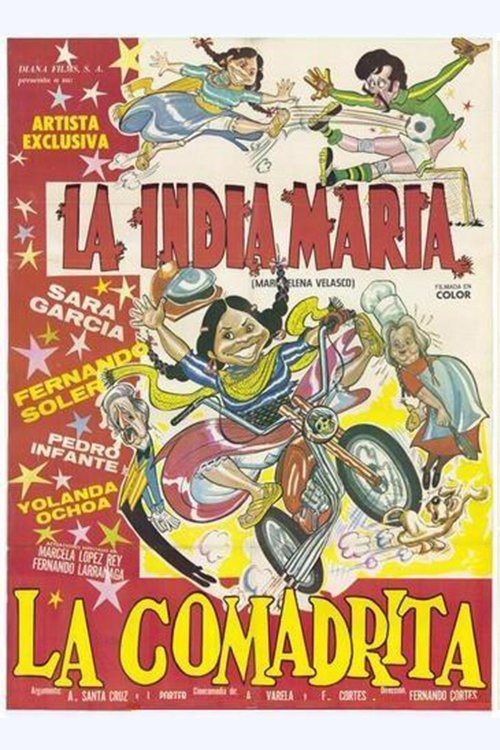
1978

2007

2016
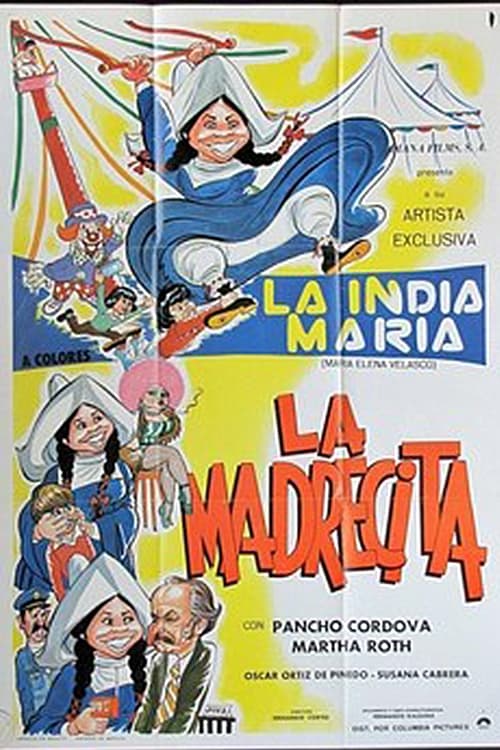
1974
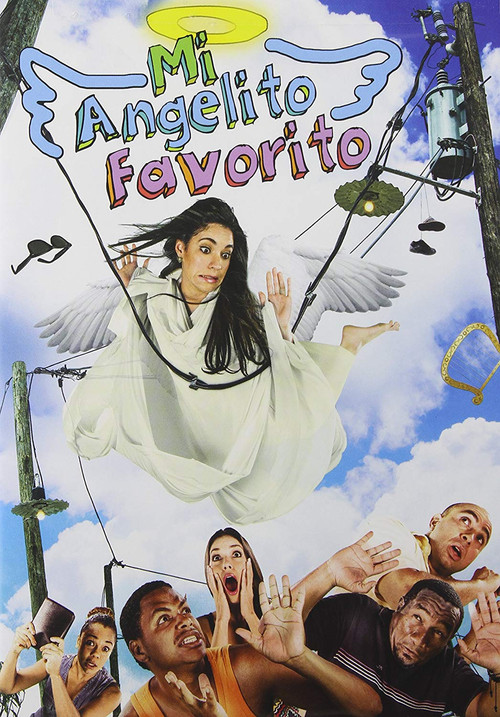
2013

2016

1987

2018
No reviews yet. Be the first to share your thoughts on this movie!
Use the rating form above to leave a star rating and optional review.