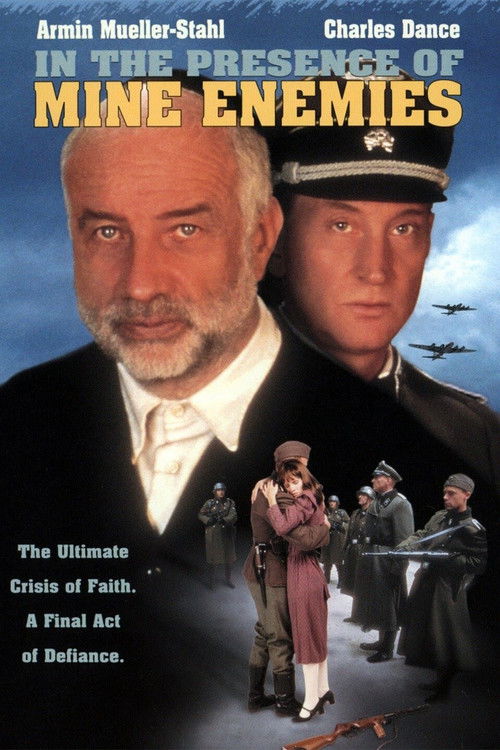
In the Presence of Mine Enemies
1997
No user ratings available yet
Representation score: 4.5 out of 10

Representation Score
Limited
2001
TV-14Director
Jon Avnet
Runtime
177 minutes
Average Rating
No ratings yetNew Showbiz Analysis
Uprising successfully challenges the passive victim stereotype by focusing on the active resistance of a underrepresented ethnic group. The historical context of the Warsaw Ghetto uprising provides a strong backdrop for exploring resistance against systemic oppression. However, the film's impact is limited by its adherence to traditional gender roles and a lack of representation for other identities. The narrative sticks to conventional wartime archetypes, which hinders a more progressive exploration of social hierarchies. Ultimately, the film highlights the ability to act and self-determination of a underrepresented ethnic group while critiquing systemic oppression and totalitarian power structures, though it falls short in representing modern identity issues.
Category Breakdown
The film does not include characters with LGBTQ+ identities or non-cisgender identities. The story focuses on the collective struggle for survival within a historical context.
Women play key roles in the resistance, but the narrative emphasizes male combatants. The portrayal adheres to traditional wartime roles without challenging established gender hierarchies.
The story centers on a non-white population actively fighting for survival. It challenges the passive victim stereotype by highlighting the active self-determination of the Jewish resistance.
The film critiques extreme nationalism and systemic oppression. It questions the morality of absolute state authority by depicting the struggle against a totalitarian regime.
There is no documentation of visible or invisible disabilities among the characters in the film.
Present on Screen
Limited or Absent
Official Synopsis
In the Warsaw ghetto in 1943, Jews rise against the Nazis.
1997

1959

1982
1987
1980

2009

2008

2014
No reviews yet. Be the first to share your thoughts on this movie!
Use the rating form above to leave a star rating and optional review.