Glory Hounds
2013
No user ratings available yet
Representation score: 2.6 out of 10
Representation Score
Limited
2015
Director
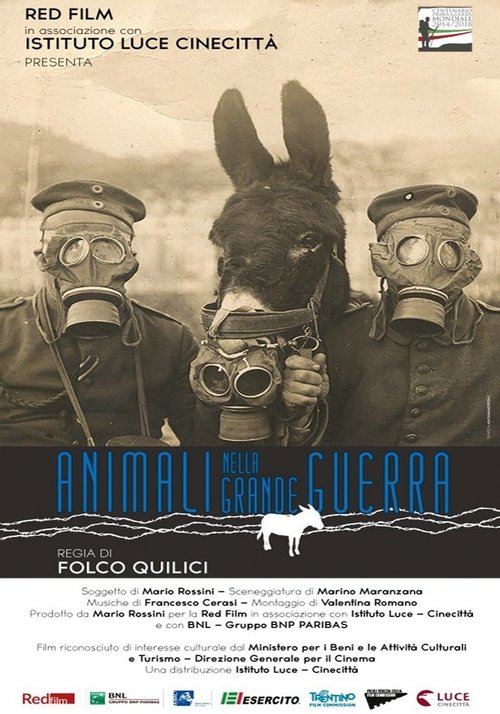
Folco Quilici
Runtime
76 minutes
Average Rating
No ratings yetNew Showbiz Analysis
Animals in the Great War shifts the historical lens away from traditional military hierarchies by centering non-human actors. The documentary disrupts the 'Great Man' theory of history through the lens of interspecies companionship. The film's value lies in its narrative disruption rather than modern demographic representation. It uses the shared vulnerability of animals to critique the systemic violence and industrial nature of the conflict. While the documentary lacks explicit focus on contemporary identity politics, it succeeds in deconstructing monolithic heroic clichés by highlighting the emotional intimacy found within the trenches.
Category Breakdown
The film focuses on the roles of animals during World War I and does not depict or focus on LGBTQ+ identities or relationships coded as queer.
Operating within the male-dominated context of World War I, the documentary softens traditional hyper-masculine stereotypes by emphasizing soldiers' vulnerabilities and affection.
Relying on archival footage and personal accounts from the time, the film lacks specific evidence of intentional multi-ethnic narrative focus or diverse casting.
The narrative uses personal diaries to promote a subjective morality over nationalism, critiquing industrial warfare by focusing on the individual costs to humans and animals.
The film explores physical vulnerability through the suffering of animals, using animal injuries as a metaphor for fragility but not centering on human neurodivergence.
Present on Screen
Limited or Absent
Official Synopsis
In the First World War, alongside the men fought an army of animals. Mules, oxen, dogs, horses, pigs, pigeons were used for moving units and materials, communications, and for the support of the troops. The forced cohabitation with men closer to each other in a possible fate of death and suffering: officers and enlisted men had the opportunity to give and receive affection, but also to deal with beings weak and completely dependent on their . Animals in the Great War offers an unconventional story of dramatic conflict, through letters, diaries and photographs taken by the fighters, and collected in the book that Lucio Fabi has derived from his research, The good soldier mule (ed. MURSIA). A documentary rebuild memories, stories, episodes of real life relationship, in and out of the trench, between humans and animals, including incredible moments of absolute serenity and tenderness, alternating the background of one of the most tragic periods in modern history.
2013

2018
2005
2017
2012
1916
2017
2011
No reviews yet. Be the first to share your thoughts on this movie!
Use the rating form above to leave a star rating and optional review.