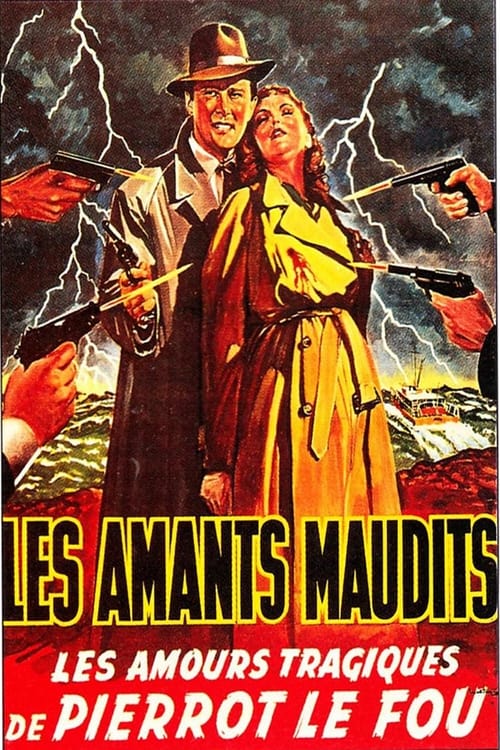
The Damned Lovers
1952
No user ratings available yet
Representation score: 2.9 out of 10
Representation Score
Minimal
1953
Director
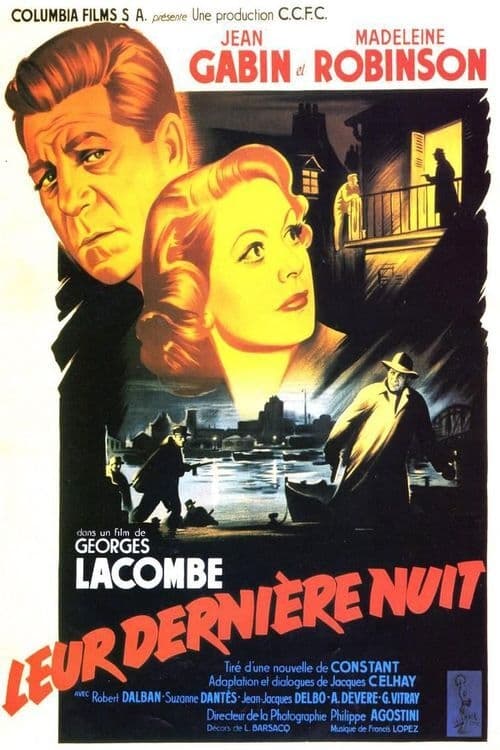
Georges Lacombe
Runtime
95 minutes
Average Rating
No ratings yetNew Showbiz Analysis
Georges Lacombe’s crime drama is rooted in the social and demographic norms of mid-century France. Its strength lies in subverting traditional gender roles through its female protagonist, yet it remains limited by the period’s lack of diverse representation. The narrative effectively explores moral ambiguity and the tension between personal loyalty and legal authority. However, it lacks representation of LGBTQ+ identities, diverse racial backgrounds, and characters with disabilities. Ultimately, the film serves as a conventional mid-century social drama, offering insight into the social structures of the time but not challenging the era’s demographic homogeneity or narrow focus on straight relationships.
Category Breakdown
The film does not include any LGBTQ+ characters or those with non-conforming gender identities. The central romance follows a traditional relationship between Madeleine and Pierre.
Madeleine plays a significant role in driving the story by helping Pierre escape from the police. She avoids the cliché of a passive female lead while maintaining traditional romantic dynamics.
The setting reflects the demographic homogeneity of 1950s Paris. The narrative focuses on a localized social structure that emphasizes a predominantly white community.
The story explores moral ambiguity by contrasting social respectability with criminal activity. It prioritizes personal loyalty over state authority but does not critique broader institutional issues.
There are no characters with visible or invisible disabilities. Disability is not used as a narrative device within the film.
Present on Screen
Limited or Absent
Official Synopsis
Arriving in Paris, Madeleine Marsan rents a room in a guesthouse where she makes the acquaintance of Pierre Ruffin, a respectable municipal librarian. Through Pierre, Madeleine finds work as a schoolteacher and soon realises that she is in love with him. Then she discovers that Pierre is in truth the head of a band of crooks. Caught by the police after a failed robbery, Pierre manages to escape. With Madeleine’s help, he goes on the run.
1952
1937
1955

1952
1942

1945

1958

1950
No reviews yet. Be the first to share your thoughts on this movie!
Use the rating form above to leave a star rating and optional review.