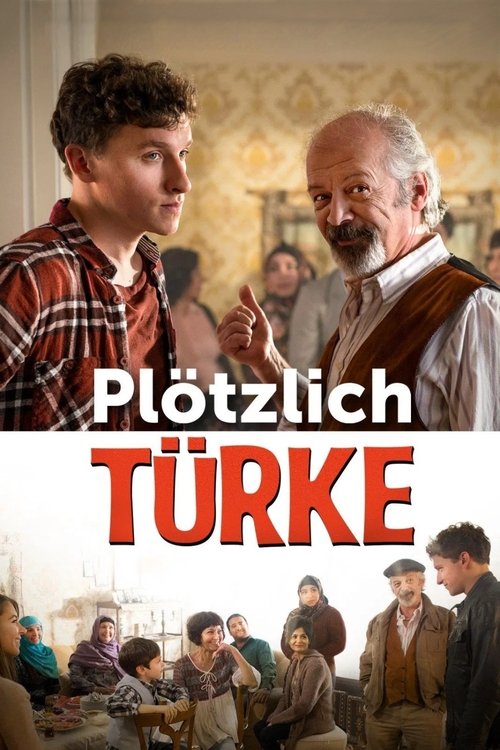
Plötzlich Türke
2016
No user ratings available yet
Representation score: 5.8 out of 10

Representation Score
Fair
2016
Director
Markus Herling
Runtime
90 minutes
Average Rating
No ratings yetNew Showbiz Analysis
The film successfully challenges traditional gender roles by focusing on a female protagonist who is defined by her labor and autonomy. This portrayal provides a strong foundation for female empowerment within a comedic context. However, the film's diversity is limited by a lack of representation for LGBTQ+ identities and disabilities. While it incorporates multicultural elements through its Argentine connection, it primarily focuses on a specific interpersonal relationship. Ultimately, the work serves as a bridge between localized traditions and global perspectives, using culture clash to challenge social uniformity.
Category Breakdown
The film does not explicitly depict queer identities or non-straight relationships. The story centers on the interactions between the protagonist, an interpreter, and a nephew.
Maria is portrayed as a rugged, independent professional butcher rather than a submissive figure. Her journey highlights her psychological independence and female empowerment as she breaks free from personal constraints.
The narrative blends Bavarian traditions with Argentine influences, creating a multicultural setting. The presence of Carlos Lobo indicates an effort to include diverse backgrounds.
The story explores the tension between rigid Bavarian customs and external Argentine influences. It prioritizes personal growth over strict adherence to local or culinary traditions.
There are no visible or mentioned depictions of physical or neurodivergent disabilities within the narrative.
Present on Screen
Limited or Absent
Official Synopsis
Christine Neubauer takes on an unfamiliar role for "Maria, Argentina and the Weißwurst": She plays a rugged perfectionist, who secludes herself from life behind her butcher's apron. Only in the distance does the Urbayerin manage to free herself from her own constraints and to take the heart into her own hands. Carlos Lobo in the role of the proud interpreter and Valentino Fortuzzi as a difficult nephew offer parole. Before the three pull together to bring the white sausage on Argentine plates, they must first gather together in the Culture Clash comedy by director Markus Herling.
2016
2009

2018
2018

2020

2014
2014

2017
No reviews yet. Be the first to share your thoughts on this movie!
Use the rating form above to leave a star rating and optional review.