
Corazón
2018
No user ratings available yet
Representation score: 9.1 out of 10
Representation Score
Excellent
2018
Director
Leanne Welham
Runtime
83 minutes
Average Rating
No ratings yetNew Showbiz Analysis
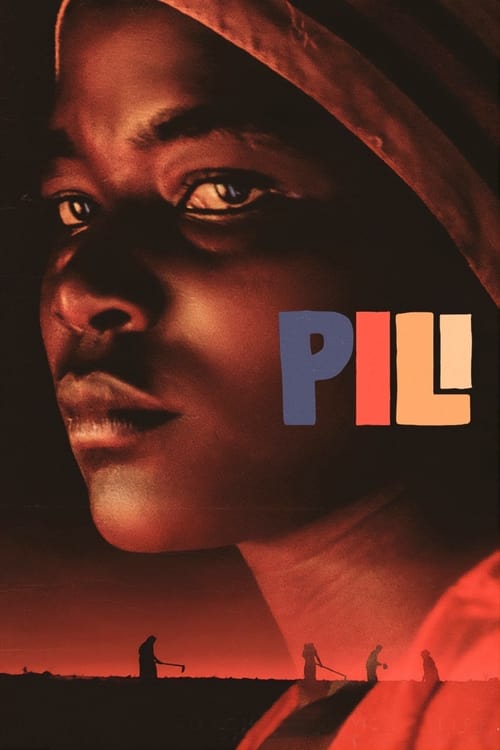
Pili is a character-driven drama that excels in its authentic portrayal of East African life. By centering a Black woman navigating systemic economic hardship, the film avoids the pitfalls of Western-centric storytelling. The narrative uses her HIV-positive status to explore the intersection of health, stigma, and self-determination. While the film provides deep cultural and racial specificity, it remains somewhat limited in its explicit exploration of queer identities. However, the focus on the social exclusion caused by her health status provides a nuanced look at identity and secrecy. Ultimately, the film succeeds by presenting a protagonist with significant control over her life. Pili is not a passive victim of her circumstances but a woman making high-stakes decisions to secure her family's future.
Category Breakdown
The film explores identity through the lens of a stigmatized health condition. While it lacks explicit queer romantic arcs, the secrecy surrounding the protagonist's status touches on themes of social exclusion.
Pili is a strong, active protagonist who serves as her family's primary economic driver. The narrative avoids passive victim clichés by focusing on her intense willpower and difficult decision-making.
The film offers an authentic portrayal of rural Tanzanian life. By centering a Black protagonist in a non-Western setting, the story avoids Western-centric perspectives in favor of cultural specificity.
The story provides a systemic critique of extreme poverty in the Global South. It explores moral relativism as the protagonist navigates survival against a lack of institutional support.
The protagonist's HIV-positive status serves as a central, complicating factor in her life. The film examines the psychological and social burdens of managing a chronic, invisible illness.
Present on Screen
Limited or Absent
Official Synopsis
Pili lives in rural Tanzania, working the fields for less than $1 a day to feed her two children and struggling to manage her HIV-positive status in secret. When she is offered the chance to rent a sought-after market-stall, Pili is desperate to have it. But with only two days to get the deposit together, Pili is forced to make increasingly difficult decisions with ever-deepening consequences. How much will she risk to change her life?
2018
2017
2004

1999
2021

2004

2011
2023
No reviews yet. Be the first to share your thoughts on this movie!
Use the rating form above to leave a star rating and optional review.