
eXistenZ
1999
No user ratings available yet
Representation score: 7.9 out of 10
Representation Score
Fair
2016
Not RatedDirector
Nicholas Gyeney
Runtime
88 minutes
Average Rating
No ratings yetNew Showbiz Analysis
Beta Test functions as a high-concept sci-fi thriller that successfully casts a diverse, multi-ethnic ensemble, moving away from the typical homogeneous casts often seen in the genre. The film uses its plot to critique corporate dominance and the loss of personal autonomy. However, the film remains anchored to conventional action clichés. The narrative focuses heavily on masculine archetypes, offering little space for female characters to take charge or explore their identities. It prioritizes the conflict between men and corporations over diverse social perspectives. Ultimately, while the film challenges institutional authority through its themes, it does not significantly challenge traditional gender or identity hierarchies.
Category Breakdown
The film adheres to traditional narrative structures without explicitly engaging with LGBTQ+ identities. An opening scene shows a man with a partner, but there is no indication of non-straight relationships or gender diversity.
The story is driven by male-centric action clichés, centered around the roles of Max Troy and Orson Creed. It emphasizes masculine archetypes and offers limited opportunities for female characters to take charge within the thriller framework.
The casting includes a diverse range of actors like Larenz Tate and Yuji Okumoto. The urban setting and multi-ethnic ensemble suggest a move away from homogeneous casting norms.
The narrative critiques unchecked capitalism and the secrecy of global corporations. It explores themes of systemic corruption and the erosion of personal freedom due to institutional power.
There is no clear depiction of physical or neurodivergent disabilities. Characters are defined by their roles in a technological conspiracy rather than by sensory experiences or disabilities.
Present on Screen
Limited or Absent
Official Synopsis
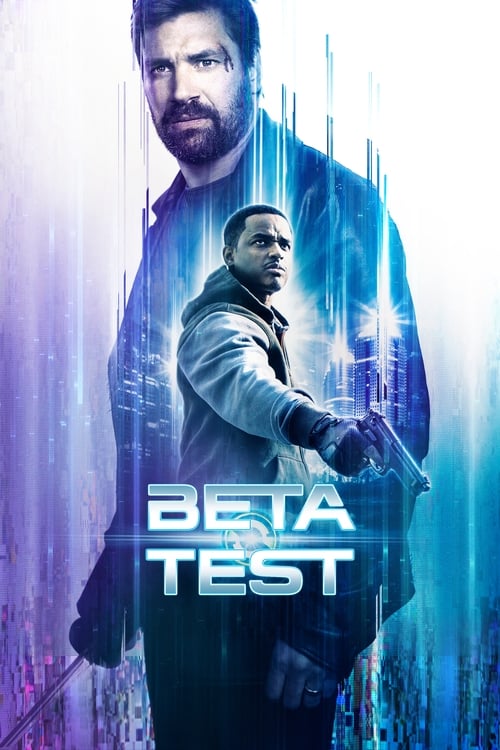
While testing the latest first person shooter from global game developer, Sentinel, video game champion Max Troy discovers the events happening within the game are being reflected in the real world. He soon determines that the game's protagonist is real-life Orson Creed, an ex-Sentinel employee who is being remotely controlled by the corporation for reasons unknown. As virtual and real worlds collide, Max and Creed must join forces to unravel the conspiracy before the game's sinister events escalate and overwhelm the city.
1999

2012
2009
1995
2012
2001
2016

2017
No reviews yet. Be the first to share your thoughts on this movie!
Use the rating form above to leave a star rating and optional review.