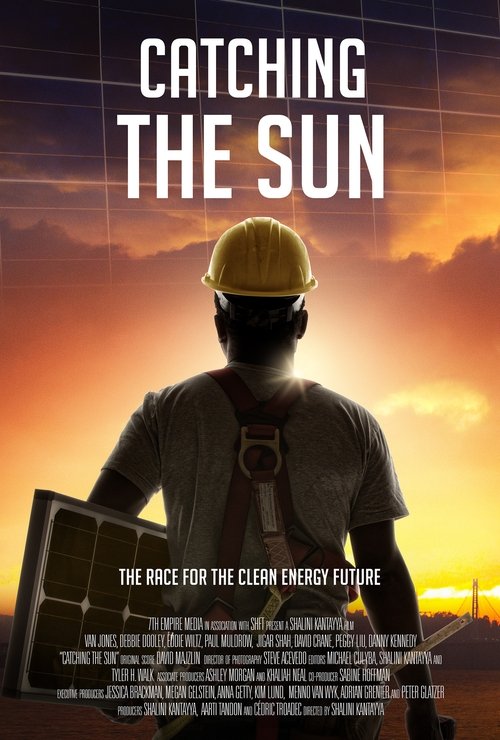
Catching the Sun
2015
No user ratings available yet
Representation score: 6.0 out of 10
Representation Score
Fair
2010
Director
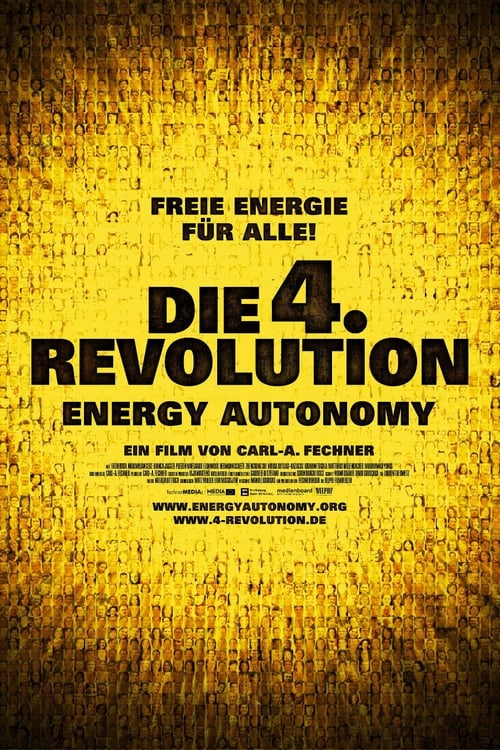
Carl-A. Fechner
Average Rating
No ratings yetNew Showbiz Analysis
Die 4. Revolution - Energy Autonomy functions as a systemic critique of global power structures rather than a study of individual identity. Its strength lies in its structural approach to equity, focusing on how resource redistribution can empower underrepresented populations. However, the film lacks specific representation for LGBTQ+ and disability communities. The narrative prioritizes institutional reform over interpersonal character arcs, leaving a gap in identity-based storytelling. Ultimately, the documentary succeeds in challenging Western-centric hegemony and energy imperialism, offering a vision of a decentralized, post-imperialist global community.
Category Breakdown
The film focuses on the technical and socio-political aspects of energy autonomy. There are no LGBTQ+ characters or narratives addressing non-assuming gender matches what was assigned at birth identities.
The film challenges patriarchal hierarchies of resource control by promoting decentralized ability to act. This disrupts conventional top-down leadership structures.
The global scope prioritizes dismantling energy imperialism. This framework supports the empowerment of the Global South and non-Western nations to mitigate systemic inequities.
The documentary critiques Western-centric hegemony through anti-capitalist frameworks. It advocates for a communal, decentralized globalism via fundamental institutional restructuring.
There is no evidence that neurodivergence or physical disabilities are addressed within the energy autonomy discourse.
Present on Screen
Limited or Absent
Official Synopsis
The documentary presents a compelling vision: a global community whose energy supply is 100 percent renewable, accessible, affordable, and clean for all. A global restructuring that reorganizes the balance of power and distributes capital more fairly could begin now. We just have to do it!
2015
2015
2017
2007
2007
2009
2009
2010
No reviews yet. Be the first to share your thoughts on this movie!
Use the rating form above to leave a star rating and optional review.