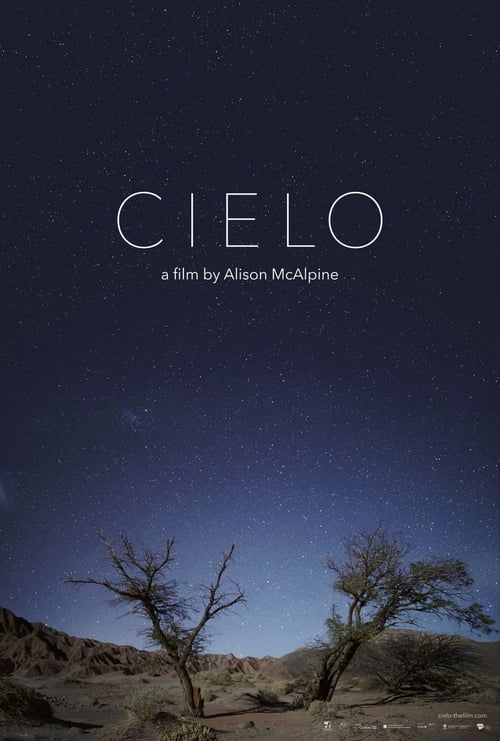
Cielo
2017
No user ratings available yet
Representation score: 3.9 out of 10
Representation Score
Fair
2024
Director
Alison McAlpine
Runtime
15 minutes
Average Rating
No ratings yetNew Showbiz Analysis
McAlpine’s documentary is a work of formalist experimentation that finds diversity through narrative deconstruction rather than demographic inclusion. By displacing the human subject, the film challenges the expectation that stories require human ability to act or social conflict. The film operates within a post-humanist framework, which inherently disrupts traditional Western hierarchies of identity. However, because the premise is non-narrative and animal-centric, it lacks the character-driven data necessary for a higher multi-layered score. Ultimately, the work's strength lies in its ability to exist outside of conventional social categorizations, even if it cannot actively represent specific human identities.
Category Breakdown
The film focuses on non-human subjects and environmental elements, avoiding traditional human-centric storytelling and reinforcing social hierarchies.
This post-humanist study centers on animals and the cosmos, removing human actors and bypassing common gender stereotypes and traditional hierarchies.
The desert observatory setting highlights landscapes and cosmic scales, with no human casting to evaluate for racial or ethnic diversity.
The film disrupts anthropocentric views by centering animals as observers of the universe, prioritizing a secular, cosmic perspective over traditional religious frameworks.
The focus on animal subjects and environmental textures provides no information regarding the representation of human neurodivergence or physical disabilities.
Present on Screen
Limited or Absent
Official Synopsis
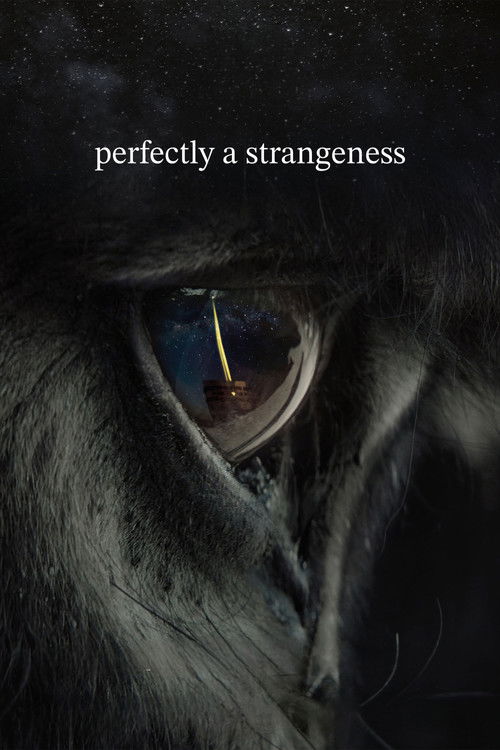
In the dazzling incandescence of an unknown desert, three donkeys discover an abandoned astronomical observatory and the universe. A sensorial, cinematic exploration of what a story can be.
2017
2010
2017

2004

2014

2022
2015
2016
No reviews yet. Be the first to share your thoughts on this movie!
Use the rating form above to leave a star rating and optional review.