
Emanuelle Around the World
1977
No user ratings available yet
Representation score: 5.9 out of 10
Representation Score
Limited
1970
UnratedDirector
Piero Vivarelli
Runtime
94 minutes
Average Rating
No ratings yetNew Showbiz Analysis
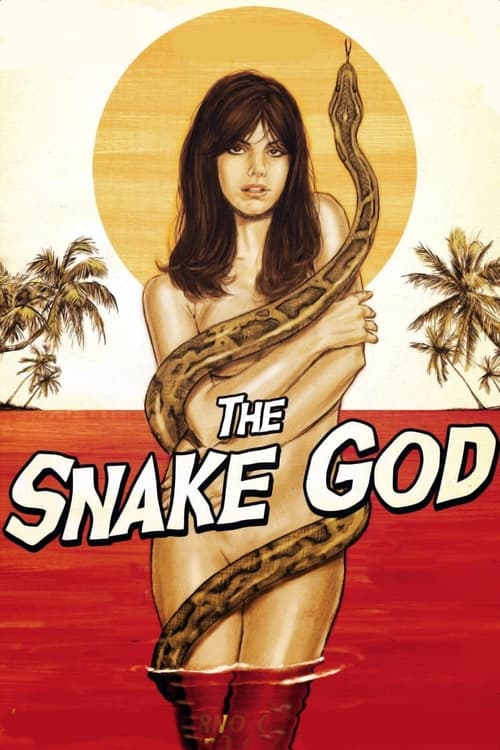
The Snake God operates as a period satire that uses moral relativism to drive its comedic engine. While it avoids the most regressive clichés by granting female characters some control over their own lives, the film remains anchored in the social and racial hierarchies of its era. Diversity is present but often serves the thematic exploration of the protagonists' perspectives. The 'symmetry of exoticism' suggests that characters from underrepresented groups are utilized to facilitate the main characters' journeys rather than being centered as independent agents. Ultimately, the film reflects the standard practices of 1970s Italian genre cinema, balancing individual character autonomy against a backdrop of conventional social structures.
Category Breakdown
The film follows traditional romantic and social structures typical of 1970s European genre cinema. There are no LGBTQ+ characters or narratives that challenge the assumption that everyone is straight or cisgender.
While Cassini makes an independent choice based on her desires, the film relies on established gender roles. The dynamics follow standard period-appropriate clichés rather than going beyond familiar patterns.
The inclusion of a Black character adds a layer of diversity, but the narrative conclusion suggests these characters may function as vessels for exoticist fantasies. Eurocentric casting remains prevalent.
The film engages with moral relativism by framing religious exploitation through a comedic lens. It critiques institutionalized belief and traditional authority through the protagonist's opportunism.
There are no visible or invisible disabilities portrayed as central to the narrative or character development.
Present on Screen
Limited or Absent
Official Synopsis
A beautiful Italian woman is told by her black friend about the Carribean love god Jambaya who appears in the form of the snake. By the end of the movie, Cassini has decided to give herself to Jambaya while Cunningham departs with her white friend's ex-lover, establishing a neat symmetry between their respective fantasies of exoticism.
1977

1943

1985
1974
1978

1970

1972

1980
No reviews yet. Be the first to share your thoughts on this movie!
Use the rating form above to leave a star rating and optional review.