
Emanuelle Around the World
1977
No user ratings available yet
Representation score: 5.9 out of 10
Representation Score
Limited
1985
RDirector
Mario Gariazzo
Runtime
90 minutes
Average Rating
No ratings yetNew Showbiz Analysis
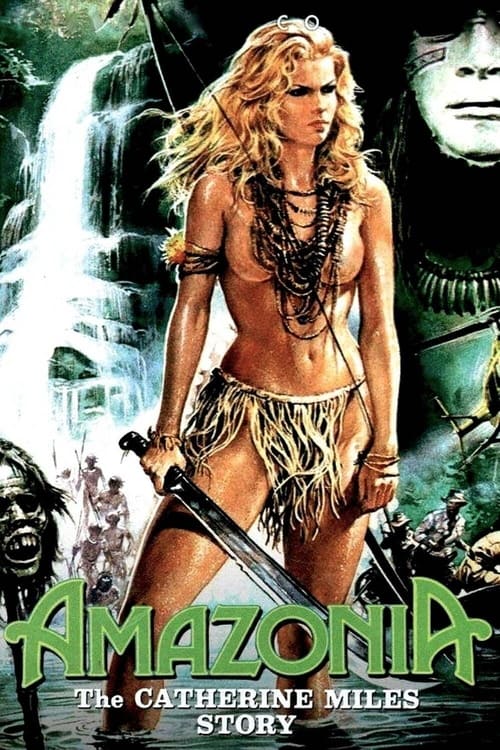
Amazonia: The Catherine Miles Story is a genre-driven film that prioritizes 1980s adventure clichés over deeper social commentary. The film centers on a woman's revenge journey, but her role is defined by traditional romantic structures and victimization. The depiction of indigenous populations relies on colonialist motifs, presenting them as obstacles rather than complex cultures. This reinforces a Western-centric perspective typical of the era's adventure films. Overall, the film lacks nuance in its portrayal of diverse identities and cultural depth, favoring established cinematic archetypes and predictable conflict structures.
Category Breakdown
The film does not include any representations of same-sex relationships or non-binary gender identities.
A female character leads the revenge storyline, but the plot relies heavily on 'damsel in distress' clichés and traditional romance.
Indigenous characters are portrayed as obstacles within a colonial framework, which may perpetuate outdated stereotypes.
The story emphasizes a 'civilization versus wilderness' theme, focusing on a Western protagonist's journey through a perilous landscape.
There is no discernible evidence regarding the inclusion or portrayal of characters with physical or neurodivergent disabilities.
Present on Screen
Limited or Absent
Official Synopsis
A young woman seeks vengeance and finds love when her parents are killed in the Amazon and she is taken prisoner by an indigenous tribe of headhunters.
1977
1985

1972
1987

1970

1980

1977
1975
No reviews yet. Be the first to share your thoughts on this movie!
Use the rating form above to leave a star rating and optional review.