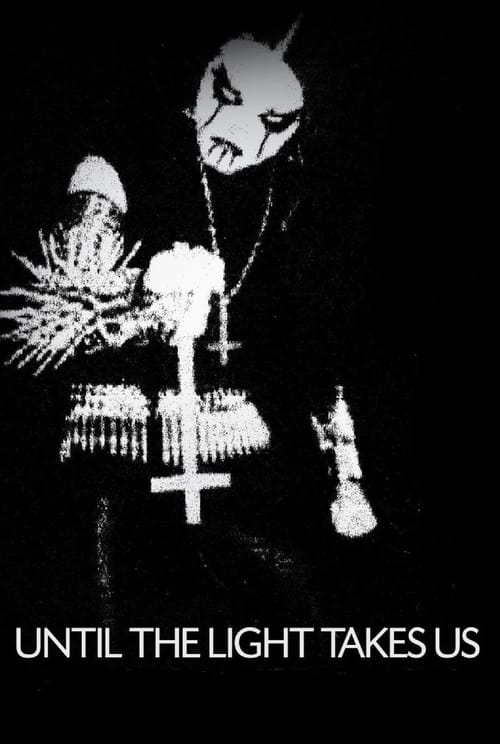
Until the Light Takes Us
2008
No user ratings available yet
Representation score: 1.9 out of 10
Representation Score
Limited
2007
Director
Bill Zebub
Runtime
91 minutes
Average Rating
No ratings yetNew Showbiz Analysis
Bill Zebub’s documentary serves as a specialized ethnographic study of a musical subculture rather than a tool for social progress. It prioritizes the historical and aesthetic documentation of Black Metal over intentional inclusion of diverse perspectives. The film remains tied to the existing social structures of the music scene. While it touches on anti-institutionalism and moral relativism, these elements do not drive a broader agenda of demographic inclusion. Ultimately, the work functions as an observational exploration of a niche genre, reflecting the demographic imbalances and traditional hierarchies of the Black Metal community.
Category Breakdown
The film does not prominently feature non-cisgender identities or queer narratives. While it avoids actively negative portrayals, it does not focus on LGBTQ+ perspectives within the subculture.
The documentary highlights the traditional male-dominated structures inherent to the Black Metal scene. It does not show women taking a significant role or challenging masculine stereotypes.
The narrative adheres to typical European traditions within the genre. It does not feature a diverse or non-Anglo-Saxon majority cast.
The film examines themes of religious doubt and the breakdown of mainstream social order. This focus on outsider ideologies offers a moderate level of cultural critique.
There is no evidence of the portrayal of physical or neurodivergent identities within the film.
Present on Screen
Limited or Absent
Official Synopsis
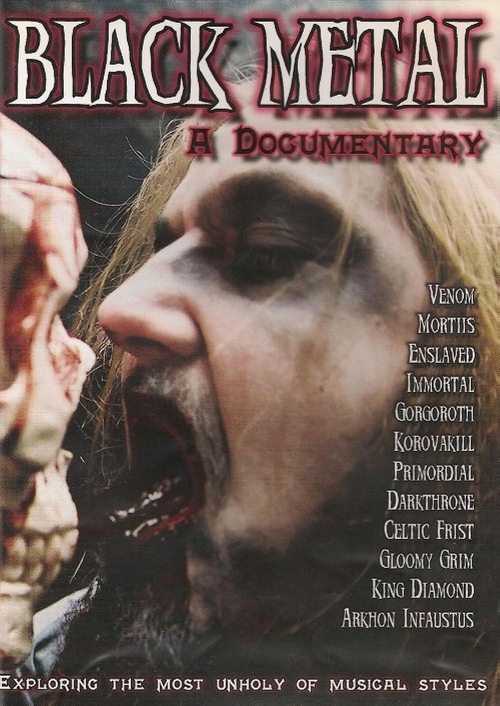
A low-budget low-fi documentary about the black metal.
2008
1981
2016
2016
2006

2005
2007

2007
No reviews yet. Be the first to share your thoughts on this movie!
Use the rating form above to leave a star rating and optional review.