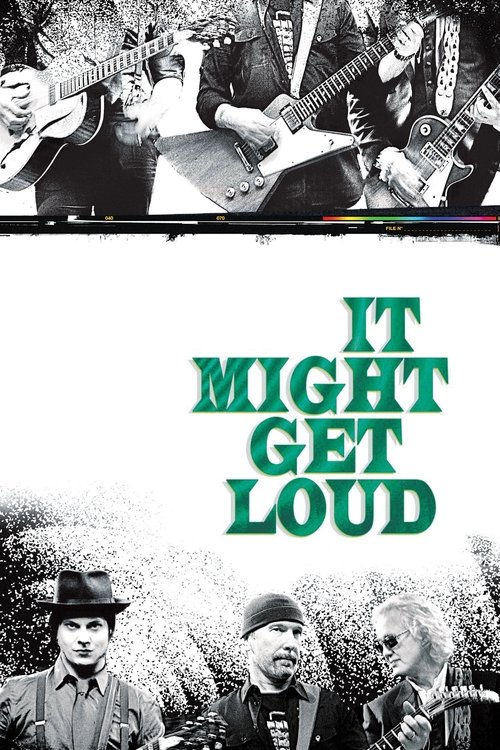
It Might Get Loud
2008
No user ratings available yet
Representation score: 4.9 out of 10

Representation Score
Fair
2005
RDirector
Sam Dunn, Jessica Joy Wise, Scot McFadyen
Runtime
91 minutes
Average Rating
No ratings yetNew Showbiz Analysis
Metal: A Headbanger's Journey serves as a sociological map of a global musical subculture. It excels at documenting how heavy metal transcends geographic and racial boundaries, presenting a truly international view of the genre's evolution. However, the film remains largely observational regarding social identity. It mirrors the existing demographic landscape of the metal scene, which is predominantly male and lacks intentional focus on LGBTQ+ or non-cisgender narratives. Its strength lies in its exploration of systemic tension. By documenting the friction between metal fans and organized religion, the film highlights the community's status as a non-conformist outsider group.
Category Breakdown
The film does not center on LGBTQ+ identities or non-cisgender narratives. Although it examines the outsider status of metal culture, queer identities are not explicitly highlighted or critiqued.
The film reflects the genre's traditional male dominance. Female musicians and fans are present, but the movie does not actively seek to challenge traditional gender hierarchies or critique masculinity.
The documentary achieves meaningful representation through its global scope. It showcases musicians from various nationalities and continents, moving beyond a focus on Anglo-Saxon cultures.
The film significantly critiques traditional Western institutions. It highlights the conflict between metal subcultures and religious authorities, particularly during the 'Satanic Panic.'
There is no significant or central focus on visible or invisible disabilities. Disability is not used as a primary narrative device or tool for character development.
Present on Screen
Limited or Absent
Official Synopsis
The film discusses the traits and originators of some of metal's many subgenres, including the New Wave of British Heavy Metal, power metal, Nu metal, glam metal, thrash metal, black metal, and death metal. Dunn uses a family-tree-type flowchart to document some of the most popular metal subgenres. The film also explores various aspects of heavy metal culture.
2008
2008
2008

2016

2013
2008

2006
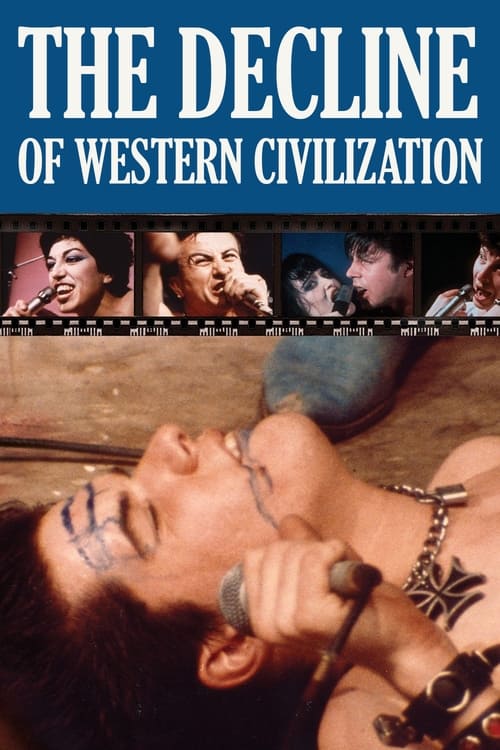
1981
No reviews yet. Be the first to share your thoughts on this movie!
Use the rating form above to leave a star rating and optional review.