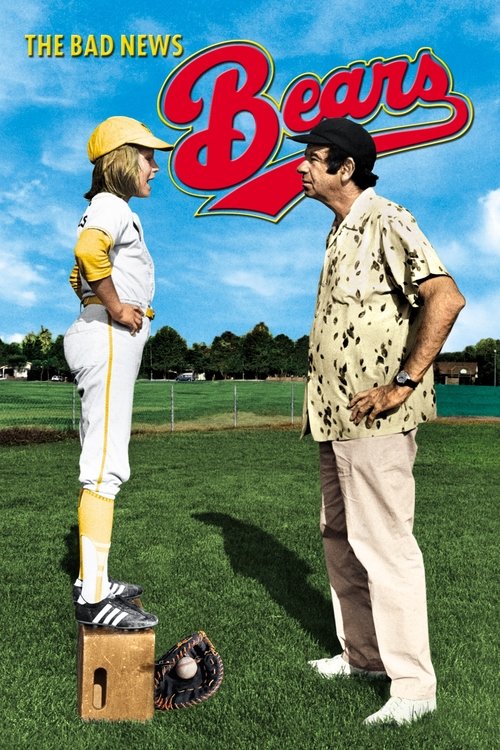
The Bad News Bears
1976
No user ratings available yet
Representation score: 5.3 out of 10
Representation Score
Minimal
1993
PGDirector
Daniel Stern
Runtime
103 minutes
Average Rating
No ratings yetNew Showbiz Analysis
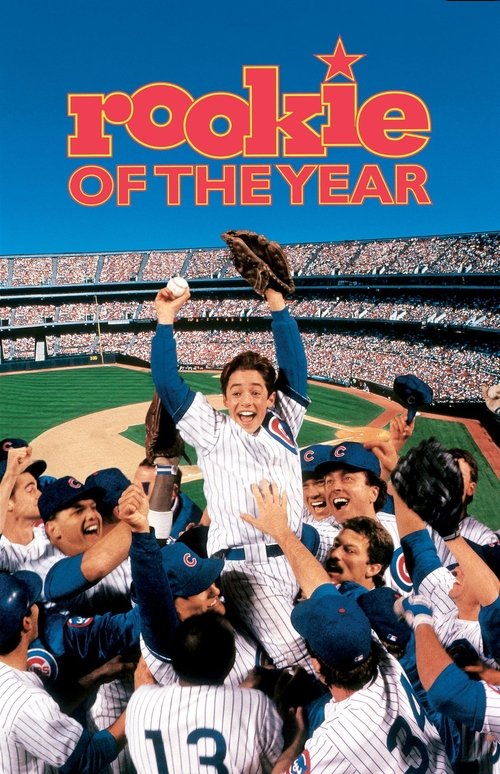
Rookie of the Year is a quintessential 1990s underdog story that prioritizes broad, commercial appeal over social complexity. It operates within a very narrow demographic and cultural framework, reinforcing established hierarchies rather than challenging them. The film relies on traditional archetypes, where the male protagonist's physical transformation drives the entire narrative, leaving little room for diverse perspectives or meaningful representation of underrepresented groups. Ultimately, the movie functions as a celebration of conventional American values and institutions, offering a singular, homogeneous viewpoint that lacks multi-layered depth.
Category Breakdown
The film follows a strictly heterosexual and cisgender storyline. It does not depict any queer identities or challenge traditional social structures.
Female characters are limited to supportive, maternal roles that provide a domestic backdrop. The plot is driven entirely by the male protagonist's physical and professional growth.
The cast and setting reflect a homogeneous, primarily white, middle-class demographic. The story centers on a traditional American experience without diverse casting.
The narrative celebrates Western institutions like baseball and capitalism. It reinforces meritocratic ideals and portrays the traditional family unit as a stabilizing force.
A physical injury serves as a plot device to grant extraordinary pitching abilities. It avoids exploring nuanced lived experiences of disability or neurodivergence.
Present on Screen
Limited or Absent
Official Synopsis
When the cast comes off his once broken arm, a 12-year-old boy can throw a 100-mile-an-hour fastball, and the Chicago Cubs want him as their new pitcher.
1976

1942
1996
1994

2002

2009

1993
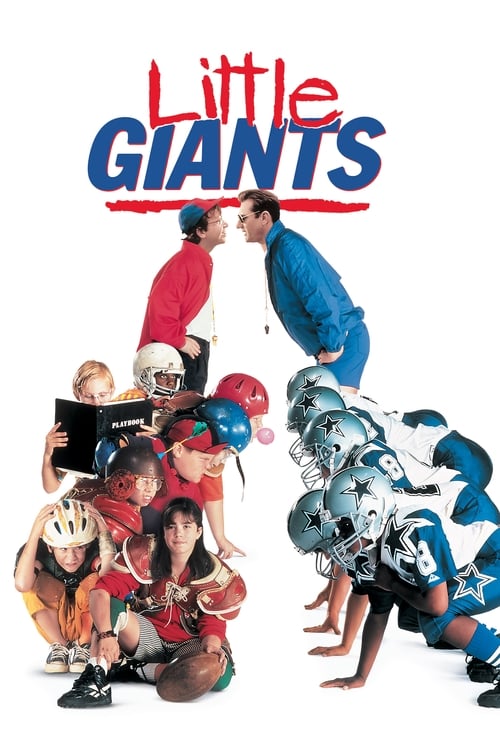
1994
No reviews yet. Be the first to share your thoughts on this movie!
Use the rating form above to leave a star rating and optional review.