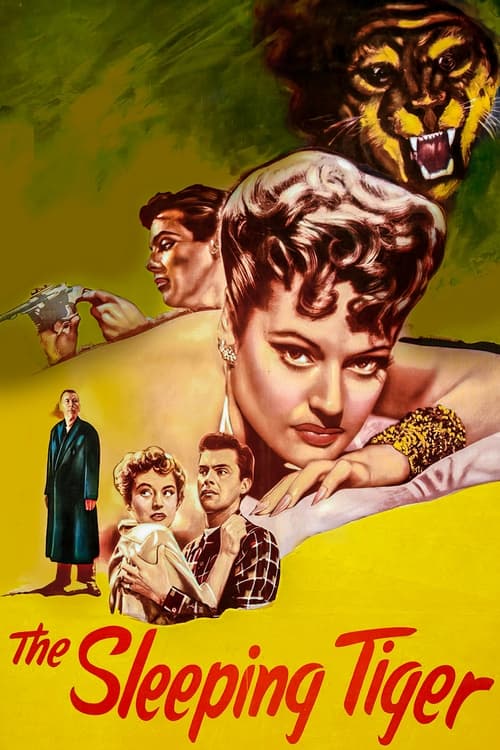
The Sleeping Tiger
1954
No user ratings available yet
Diversity score: 3.4 out of 10

1973
Director
Kostas Karagiannis
Runtime
93 minutes
Average Rating
No ratings yetSynopsis
A rich man with an impotence problem becomes subject to manipulation by those around him. When he gives the keys to his villa to two women, he witnesses a murder. A series of cunning plots and secrets make things difficult for the police as they hunt for the murderer, but a film that the owner of the villa secretly shot reveals the perpetrator’s identity.
Overall Score
Fair
Category Breakdown
LGBTQ+ Representation
The film explores sexual dysfunction and intimacy, yet lacks explicit non-cisnormative identities. The focus on impotence appears tied to traditional gendered anxieties rather than queer narratives.
Gender Representation
The narrative subverts traditional hierarchies by centering women who manipulate a wealthy male figure. This disruption of the passive female trope critiques established masculine leadership and authority.
Racial & Ethnic Diversity
The cast appears homogeneous, reflecting the typical landscape of 1970s European genre cinema. There is no evidence of racial blending or diverse ethnic representation.
Religious & Cultural Diversity
The story critiques Western structures regarding wealth, property, and patriarchal control. It explores the instability of class and the corruption of private institutions like the family unit.
Disability Representation
The protagonist's impotence serves as a central plot driver. However, it remains unclear if this condition is treated with agency or used as a trope of the 'broken' man.
Strengths
Areas for Improvement
AI Analysis
Tango of Perversion functions primarily as a psychological thriller that deconstructs masculine potency. The plot shifts agency from a dominant male figure to the women navigating his domestic sphere through deception. While the film successfully challenges traditional gendered power dynamics, it remains limited in other areas of intersectionality. The narrative lacks visible racial diversity or queer identities, focusing instead on class and patriarchal instability. Ultimately, the film's strength lies in its subversion of authority, though it relies on narrow demographic frameworks typical of its era.
1954
1947
1961
1982

1994
1969
1975
1970
1956

1975
1954

1971
No reviews yet. Be the first to share your thoughts on this movie!
Use the rating form above to leave a star rating and optional review.