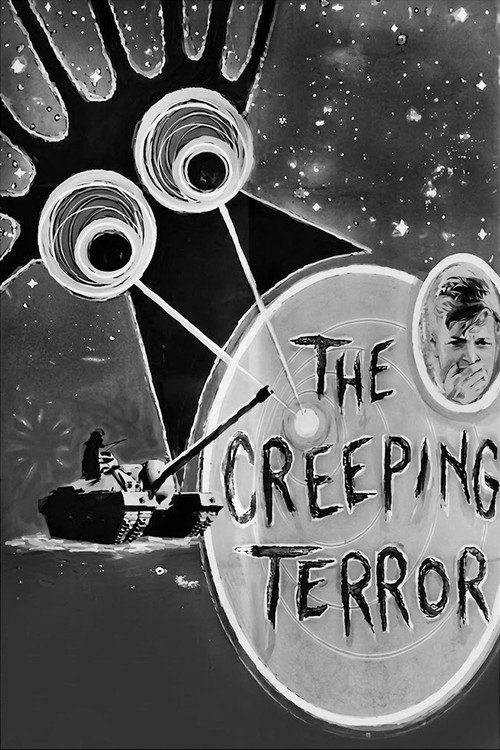
The Creeping Terror
1964
No user ratings available yet
Representation score: 0.5 out of 10
Representation Score
Limited
1968
NRDirector
Hajime Sato
Runtime
84 minutes
Average Rating
No ratings yetNew Showbiz Analysis
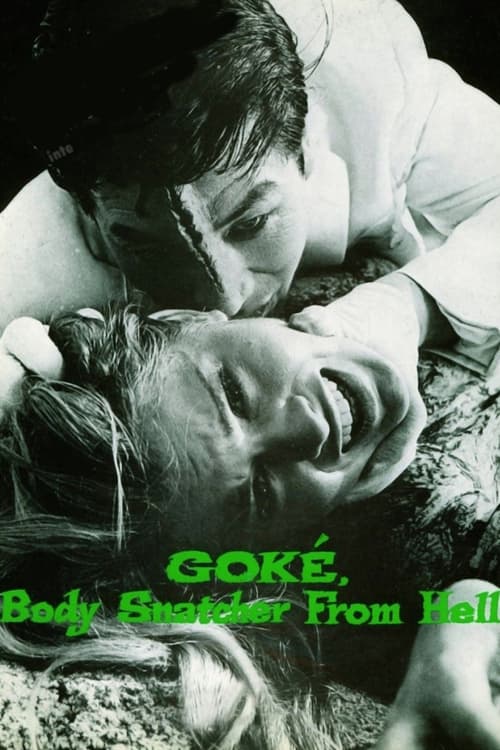
Goké, Body Snatcher from Hell is a traditional 1960s genre piece that prioritizes horror mechanics over social exploration. The narrative follows a standard survivalist framework after a plane crash, focusing on the biological threat of alien entities. The film reflects the production realities of its time, leaning on established clichés rather than intentional social deconstruction. Ultimately, the work lacks depth in exploring multi-layered identities, focusing instead on the visceral elements of science fiction.
Category Breakdown
The film does not depict any non-straight or non-cisgender identities. It follows the traditional assumptions about relationships common in 1960s creature features.
The story centers around survivors, a common cliché that often emphasizes traditional masculine leadership. There is little evidence of challenging patriarchal structures.
Given that it is a 1968 Japanese production, the cast is likely to be ethnically uniform. The film does not use color-blind casting or metaphors for racial diversity.
The plot focuses on biological threats rather than critiquing religion or family structures. It lacks any significant deconstruction of traditional institutions or systemic power.
There is no indication of neurodivergent characters or individuals with physical disabilities. The focus remains on the physical changes caused by the alien entities.
Present on Screen
Limited or Absent
Official Synopsis
The survivors of a plane crash in a remote area are attacked by blob-like alien creatures that turn their victims into blood-thirsty vampires.
1964
1963

1986

1989
1968

1964

1976

1958
No reviews yet. Be the first to share your thoughts on this movie!
Use the rating form above to leave a star rating and optional review.