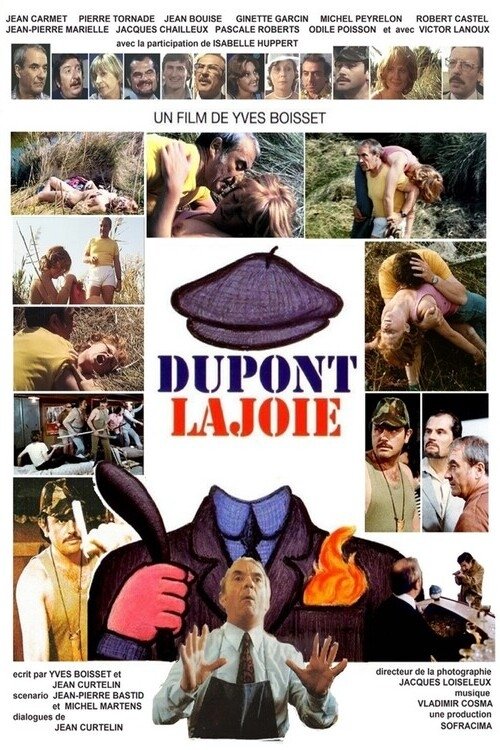
The Common Man
1975
No user ratings available yet
Diversity score: 5.6 out of 10
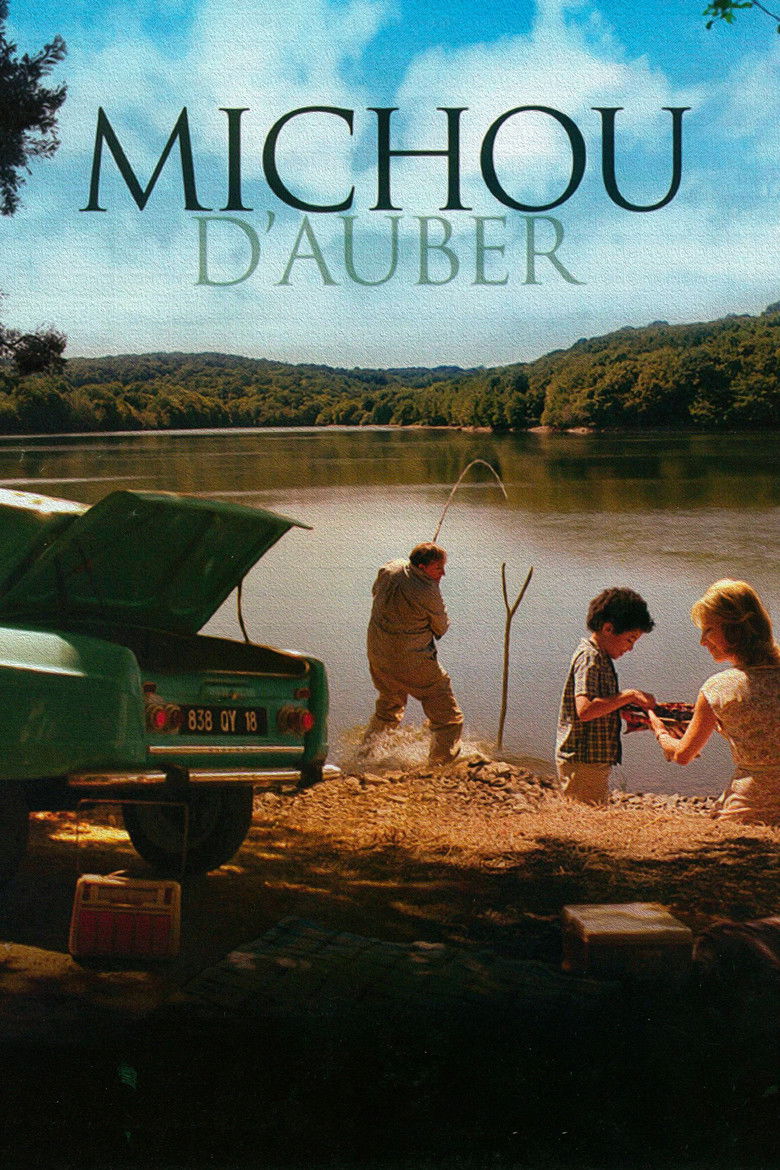
2007
Director
Thomas Gilou
Runtime
124 minutes
Average Rating
No ratings yetSynopsis
Set in France during the struggle for Algerian independence, Messaoud's mother is terminally ill and his father, needing to work long hours in the factory, can't look after him, so decides to put him and his older brother Abdel in foster care. Sent to the countryside, Abdel has to work on a farm, but Messaoud is taken in by a childless woman, who conceals his Arab origins from her fiercely Gaullist ex-army husband. Re-named Michel/Michou, and with his hair comically dyed blond, the young boy quickly steals the hearts of both foster-parents, and eventually is instrumental in saving their troubled marriage.
Overall Score
Fair
Category Breakdown
LGBTQ+ Representation
The film focuses on heteronormative family structures and the preservation of a traditional marriage. It lacks LGBTQ+ characters or narratives that critique heteronormativity.
Gender Representation
The narrative utilizes a traditional domestic framework centered on the nuclear family. While the female lead shows agency in fostering Messaoud, the story prioritizes marital stability.
Racial & Ethnic Diversity
The film offers a nuanced look at racial identity during the Algerian independence era. It uses the concept of 'passing' to explore the friction between ethnic identity and social assimilation.
Religious & Cultural Diversity
The story engages with historical political tensions through a humanistic lens. It avoids monolithic moralizing but ultimately prioritizes the restoration of traditional domestic harmony.
Disability Representation
There are no visible or invisible disabilities portrayed as central to the character arcs or plot progression.
Strengths
Areas for Improvement
AI Analysis
Michou d'Auber succeeds in providing a sophisticated exploration of racial identity and assimilation. By placing an Arab child at the center of a white, Gaullist household, the film uses the tension of hidden origins to drive its emotional core. However, the film remains tethered to conventional social values. The narrative architecture is built around the preservation of the traditional nuclear family and heteronormative domesticity, which limits its broader social critique. Ultimately, the film transcends simple tokenism by giving the marginalized character significant agency, even as it operates within a traditional dramatic structure.
1975
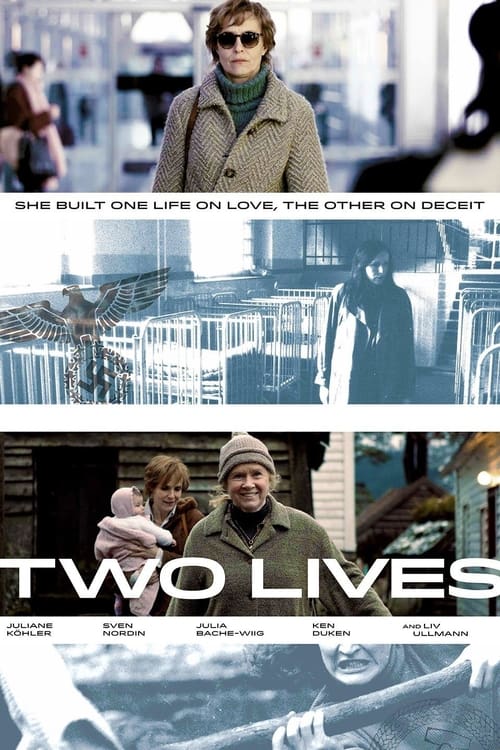
2012
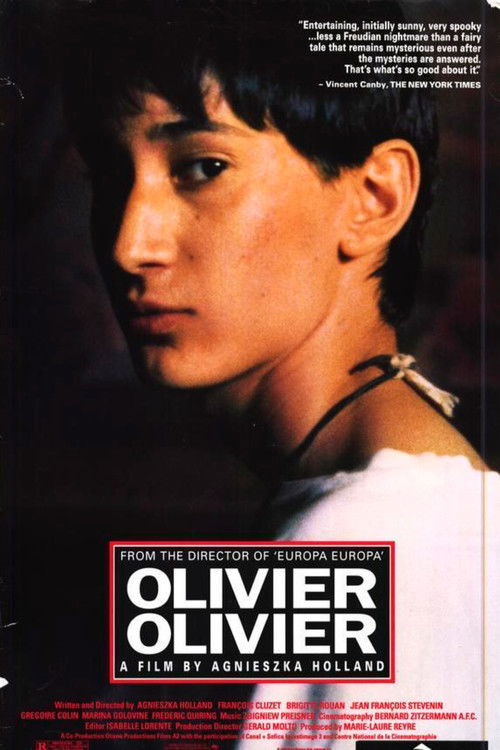
1992

2015
No reviews yet. Be the first to share your thoughts on this movie!
Use the rating form above to leave a star rating and optional review.