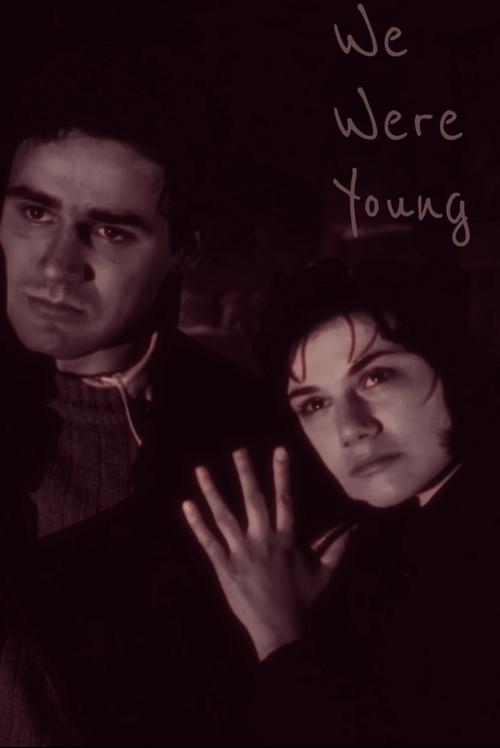
We Were Young
1961
No user ratings available yet
Diversity score: 4.5 out of 10
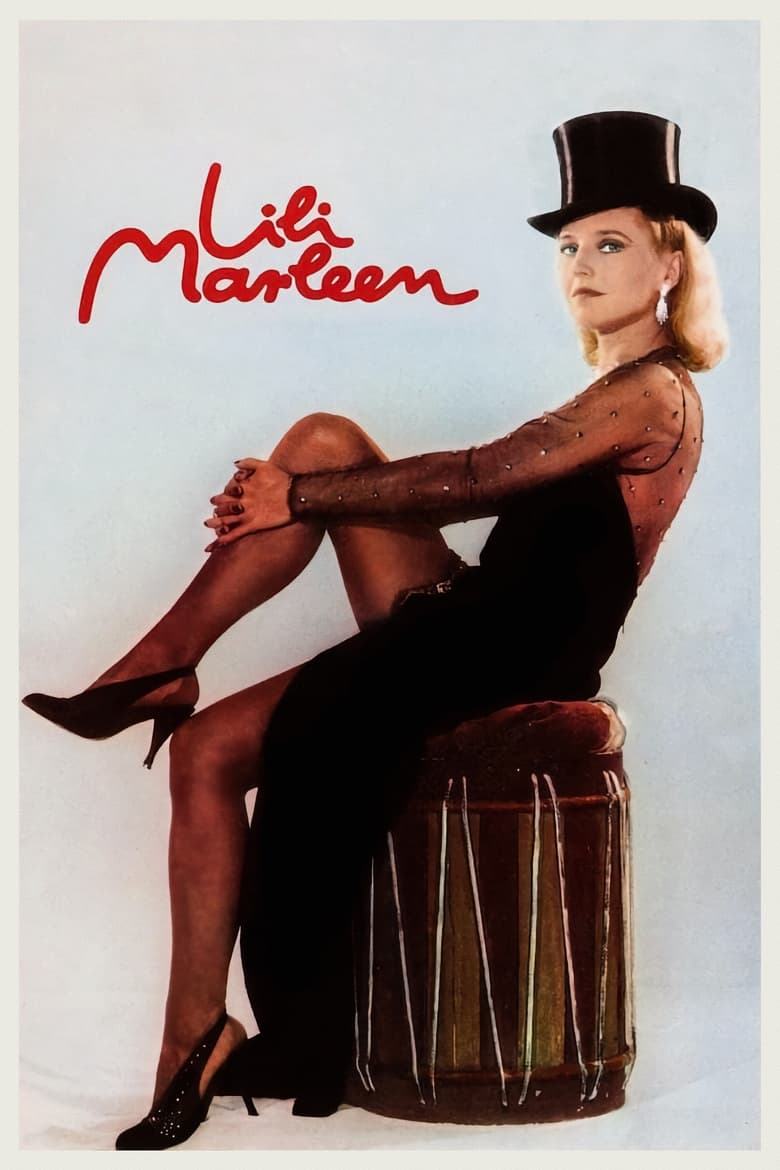
1981
RDirector
Rainer Werner Fassbinder
Runtime
120 minutes
Average Rating
No ratings yetSynopsis
The story of a German singer named Willie, who while working in Switzerland, falls in love with a Jewish composer named Robert, whose family is helping people to flee from the Nazis. Robert’s family is skeptical of Willie, thinking she could be a Nazi as she becomes famous for singing the song “Lili Marleen”.
Overall Score
Good
Category Breakdown
LGBTQ+ Representation
The film explores desire through subtext and coded gestures rather than explicit identities. It focuses on the fluidity of power and performative intimacy within social hierarchies.
Gender Representation
Fassbinder presents femininity as a complex tool for negotiation and survival. The female protagonist actively navigates and manipulates male-dominated political structures to maintain her autonomy.
Racial & Ethnic Diversity
The narrative uses the presence of Jewish characters to highlight ethnic tension. This intersectional conflict illustrates how identity becomes a catalyst for social suspicion during the Nazi era.
Religious & Cultural Diversity
The film critiques the corruption of Western institutions and morality. It portrays the rise of the Nazi state as a systemic breakdown of family and community values.
Disability Representation
There are no prominent depictions of visible or invisible disabilities that serve as central narrative drivers.
Strengths
Areas for Improvement
AI Analysis
Fassbinder’s work succeeds in deconstructing how totalitarianism infiltrates private life. By focusing on the intersection of personal desire and state-mandated morality, the film offers a sophisticated critique of social structures and institutional corruption. The film excels in its portrayal of gendered agency and cultural critique. It avoids traditional tropes, instead presenting a world where survival necessitates moral relativism and complex social maneuvering. However, the film lacks overt representation in certain areas. The reliance on subtextual queer themes and the absence of disability narratives limit its breadth of explicit diversity.
No reviews yet. Be the first to share your thoughts on this movie!
Use the rating form above to leave a star rating and optional review.